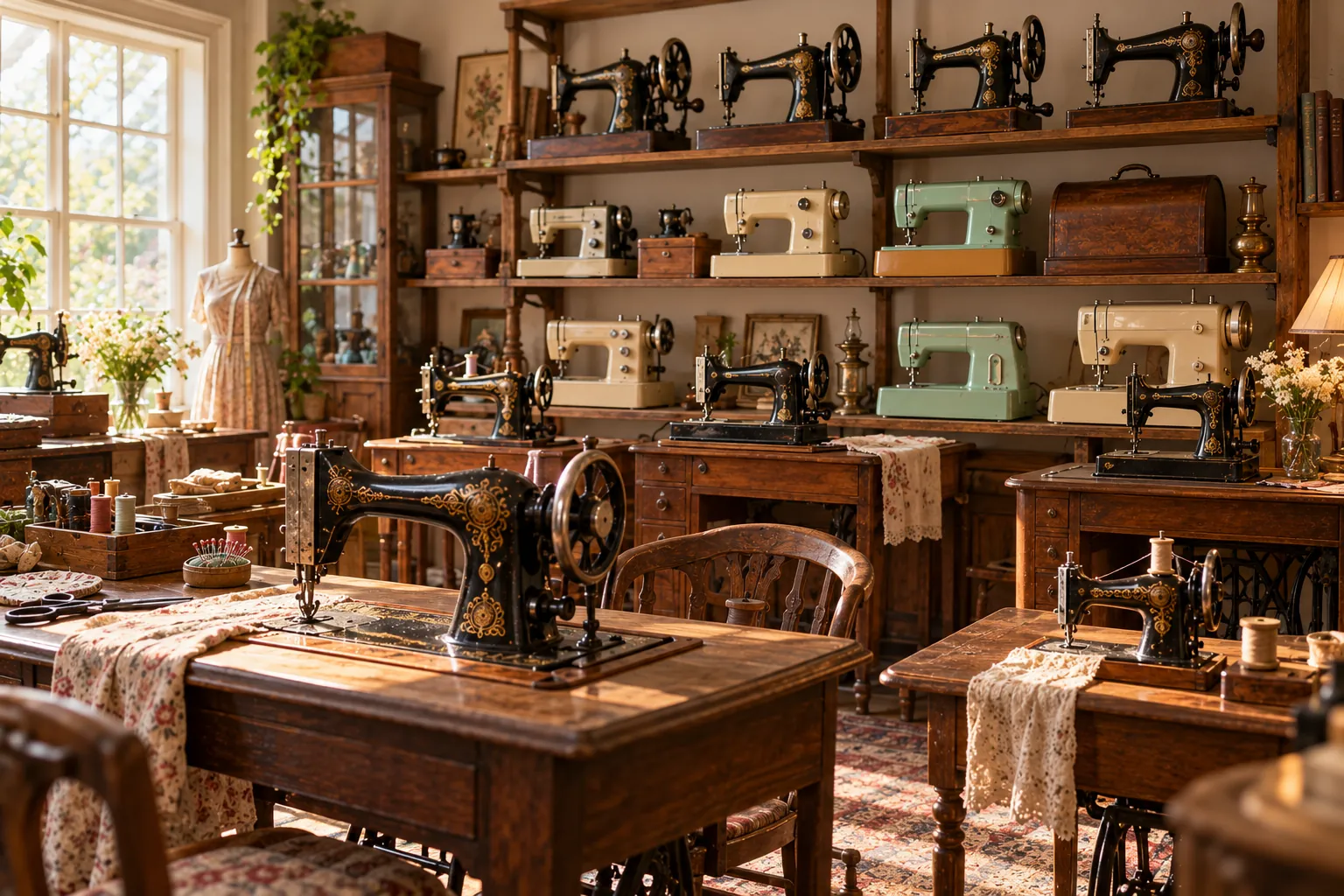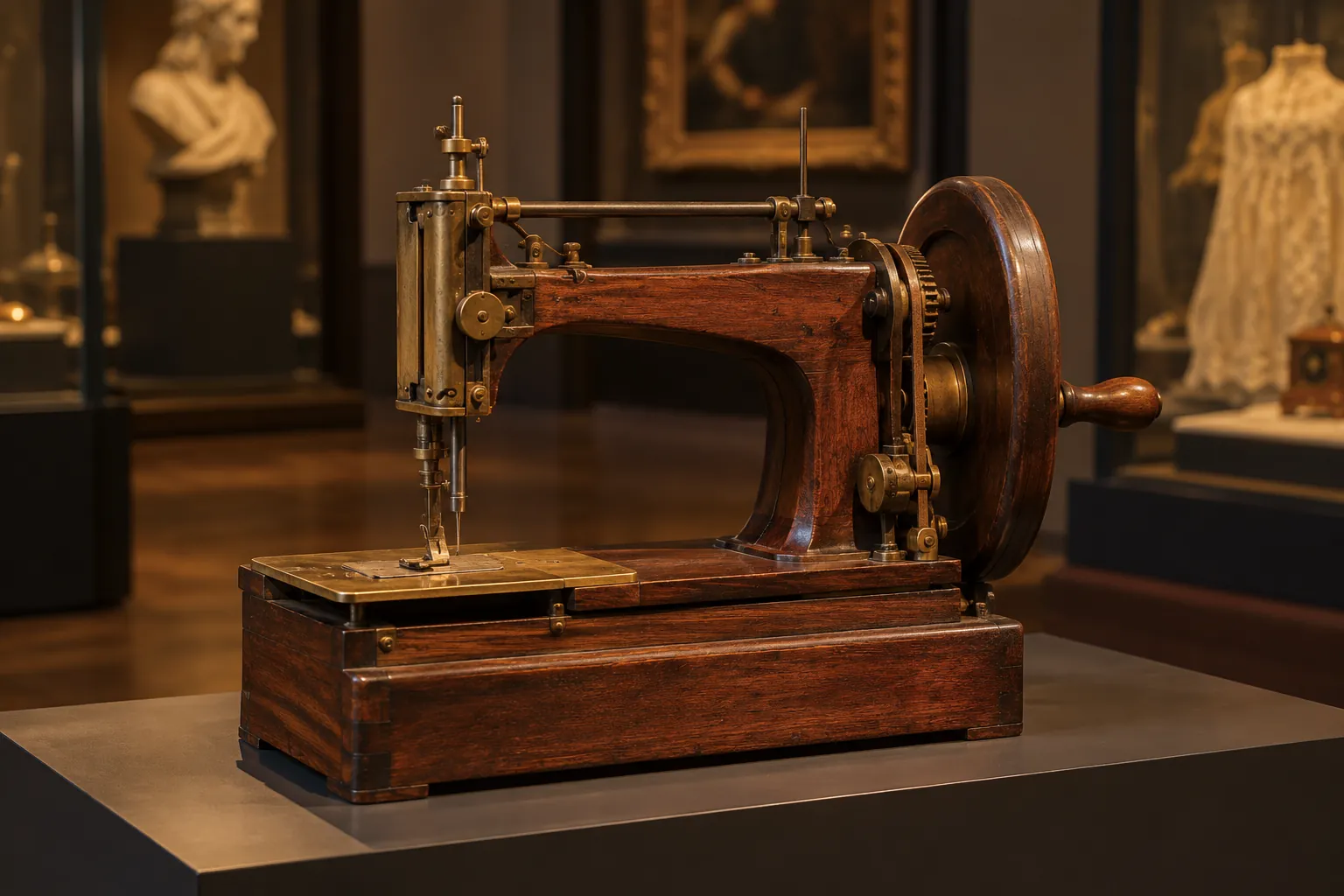
Key points
- Identify and date the machine first; buyers search by model.
- Price from sold listings; ISMACS suggests a $9 no-reserve test listing to find the market.
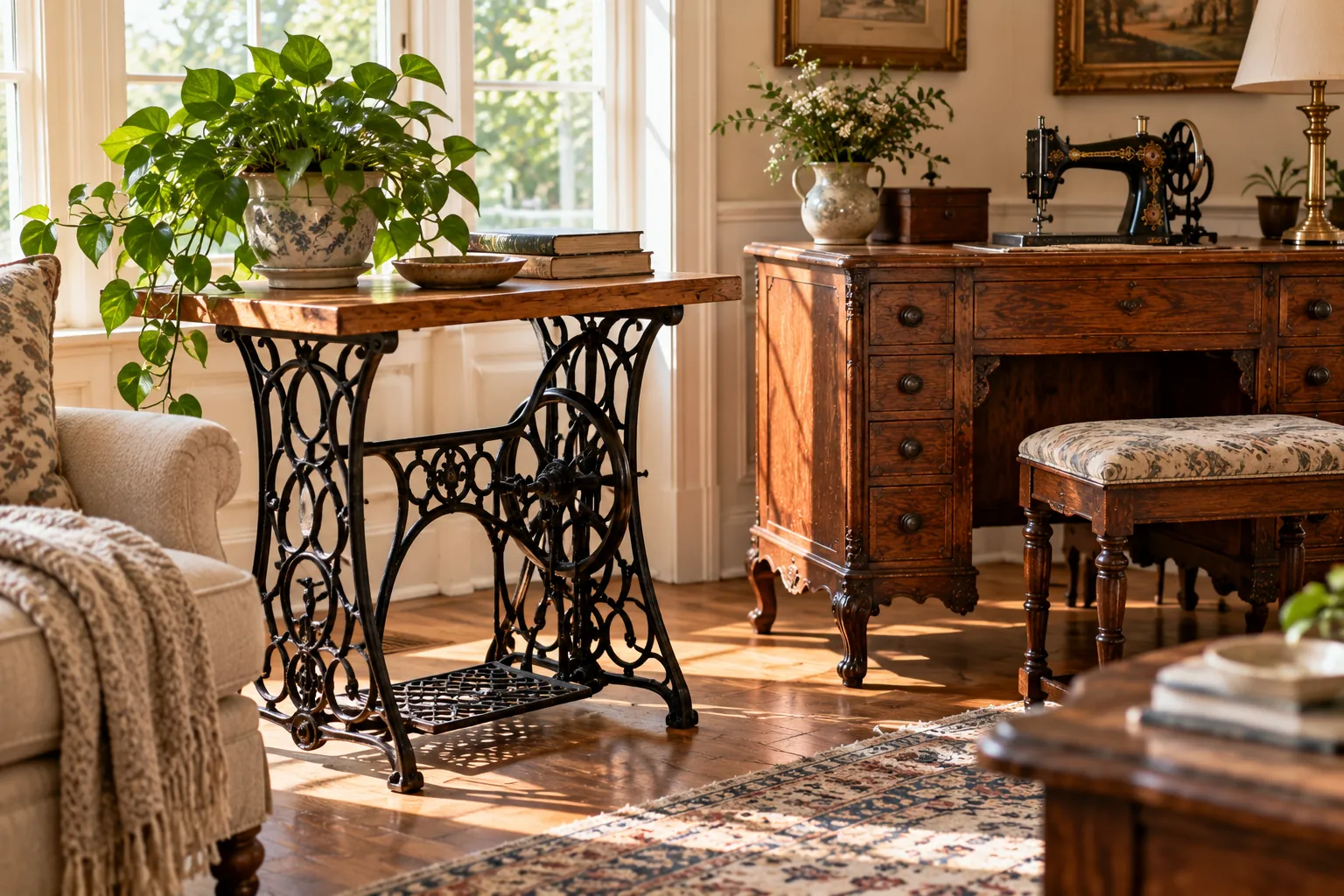
- Treadles and cabinets sell best locally because of their weight.
- Double-box when shipping, with about three inches of padding on all sides.
Step 1Identify, date and clean it
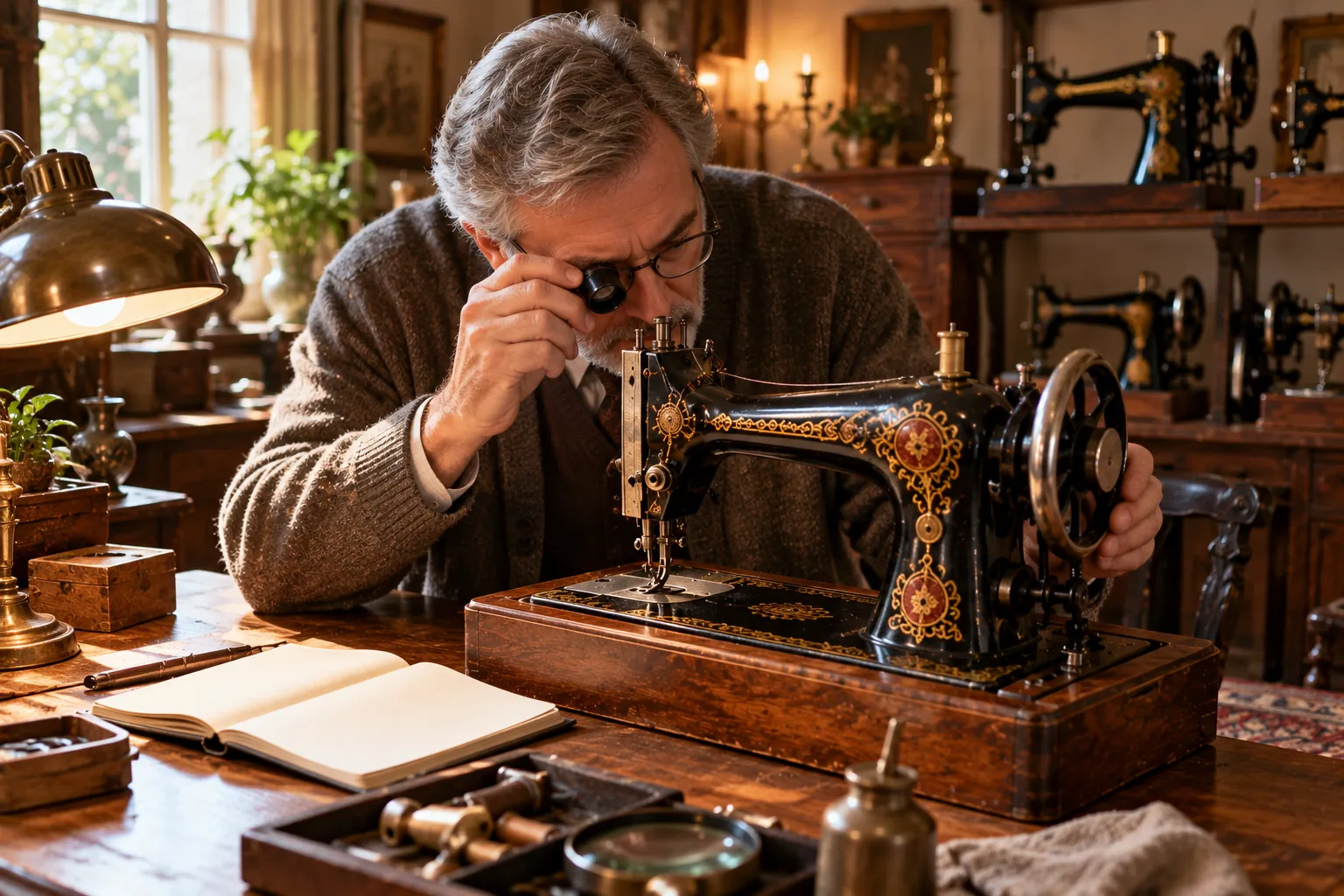
Buyers search by model, so find out what you have with our model identifier and serial lookup. A light clean with sewing machine oil on a soft cloth helps; avoid household cleaners, which can damage the decals (see safe cleaning).
Step 2Price it
Use sold prices, not asking prices: our sold-price finder opens completed sales. ISMACS suggests testing the market with a low no-reserve listing, or using an antique dealer’s offer as a starting point. Singer’s own advice is to search for the same model and year and ask an antique store or pawn shop what they would pay.
Step 3Where to sell an old sewing machine
| Where | Best for |
|---|---|
| Local marketplaces and classifieds | Treadles, cabinets, heavy full-size machines |
| Online auctions | Featherweights, portables, toy machines, parts and attachments |
| Sewing-machine dealers and repair shops | Quick sale of working machines |
| Antique dealers and auction houses | Decorative cabinets, early or unusual machines |
| Collectors’ clubs and quilting groups | Featherweights and sought-after models |
Step 4What to put in the listing
- Model, serial number and the year from the lookup.
- Whether it sews, and when it was last serviced.
- What’s included: bobbin case, bobbins, foot control, case or cabinet, attachments, manual.
- Honest notes on decal wear, chips and any faults.
- Clear photos: front, back, bed with serial, bobbin area, decals, case or cabinet.
Step 5How to pack and ship a sewing machine
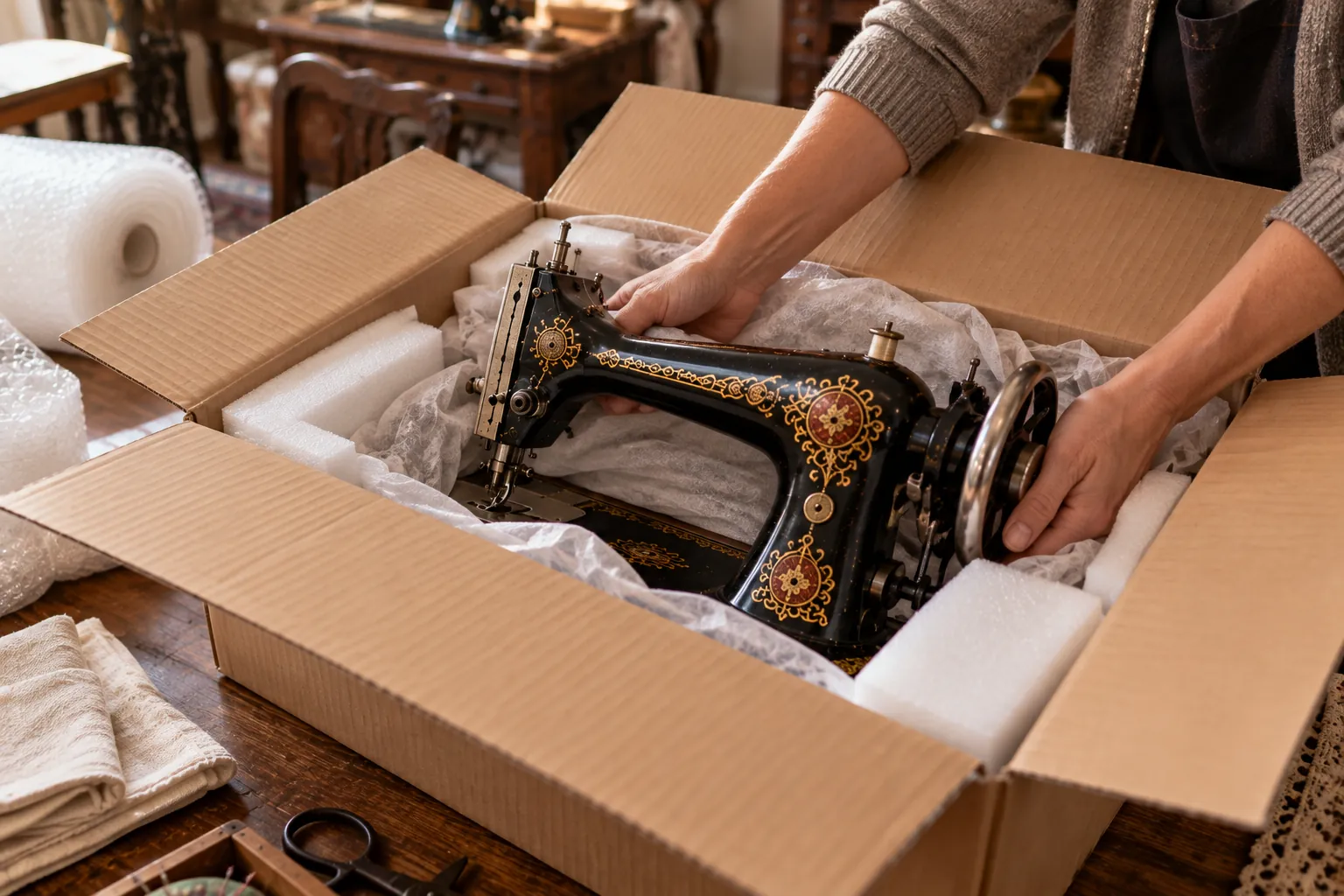
A collector’s packing guide hosted at MIT says double boxing “is not just being silly”: leave at least three inches of packing on all sides, never pack loose objects in with the machine, and box the motor separately. Handwheels and spool pins break easily. If the machine is in a cabinet, ship the head only; it lifts out after removing the hinge screws.
QuestionsFrequently asked questions
Where can I sell my antique sewing machine?
Locally for treadles and cabinets; online auctions for portables and Featherweights; dealers, antique shops and collectors’ groups for quick or specialist sales.
Do collectors buy old sewing machines?
Yes, but they are selective. Featherweights, rare models and complete, original machines sell best.
Is it better to sell the machine and cabinet together?
For treadles and decorative cabinets, usually yes, and locally. Portables and heads ship more easily on their own.
How do I ship a vintage sewing machine?
Double-box it with about three inches of padding on all sides, pack the motor separately and include nothing loose.
ReferencesSources
These are the pages and manuals the facts in this article come from. Where they disagree, we say so in the text.
- ismacs.net/sewing_machine_articles/how_much_is_my_sewing_machine_worth.html
- help.singer.com/en-US/whats-my-sewing-machine-worth-407312
- web.mit.edu/xiphmont/Singer/machines-packing.html
- www.myrepurposedlife.com/how-to-remove-vintage-sewing-machine
Published 24 October 2026 · Written and fact-checked by the HeirloomID editors. Spotted an error? Tell us.