The HeirloomID blog
Notes for owners, restorers and buyers
Practical, sourced guides to vintage Singer sewing machines: how to look after one, how to tell close relatives apart, and what to do when the records run out.
All articles
More from the blog

History · 3 min read
Singer company history: factories, dates and where your machine was made
A sourced history of the Singer Manufacturing Company from 1851: Isaac Singer and Edward Clark, instalment selling, the Red S trademark, and each factory (Elizabethport, Kilbowie, St Johns, Anderson and more) with its dates.
Read the article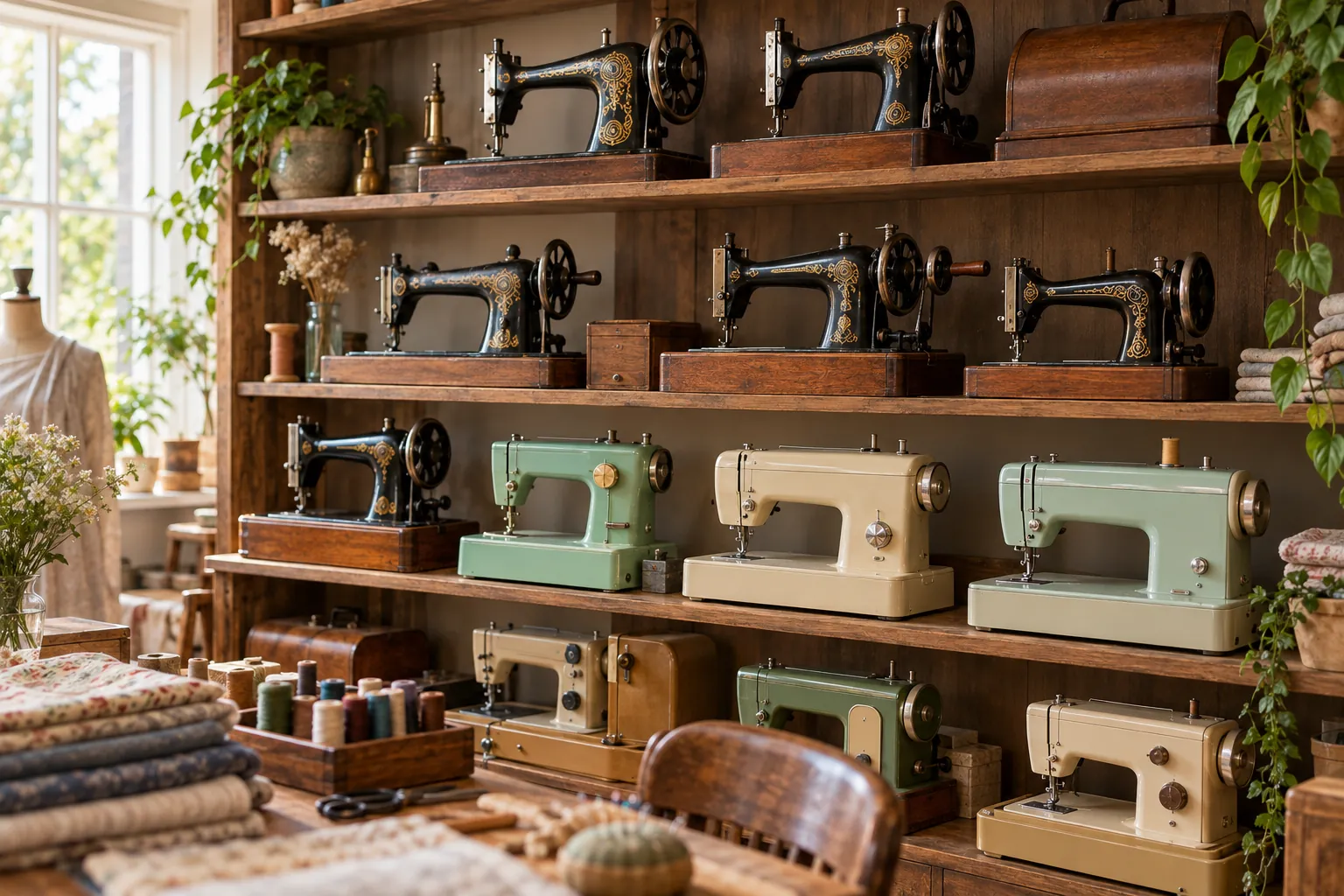
Models · 3 min read
Singer sewing machines by decade, 1900s to 1970s
Which Singer models were made in the 1910s, 1920s, 1930s, 1940s, 1950s, 1960s and 1970s, how they changed from black cast iron to colours and plastic, and how to tell what decade your machine is from.
Read the article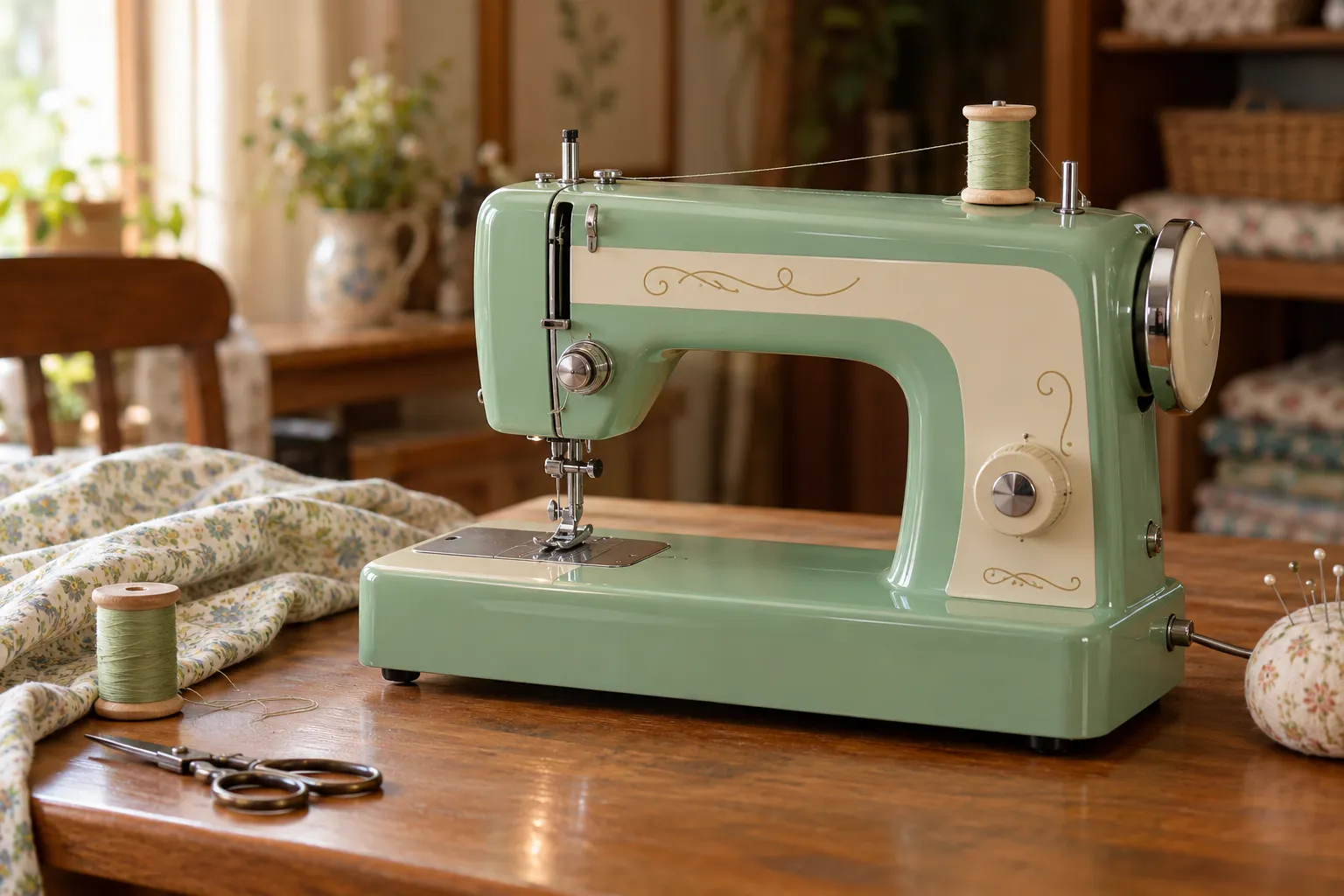
Models · 3 min read
Singer 185J and 185K: the green three-quarter-size Singer
The Singer 185 (1958–1963) is an electric, restyled 99K: a 3/4-size straight-stitch machine with a Class 66 bobbin. Learn the 185J vs 185K, colours, bobbin, needle and how to date one.
Read the article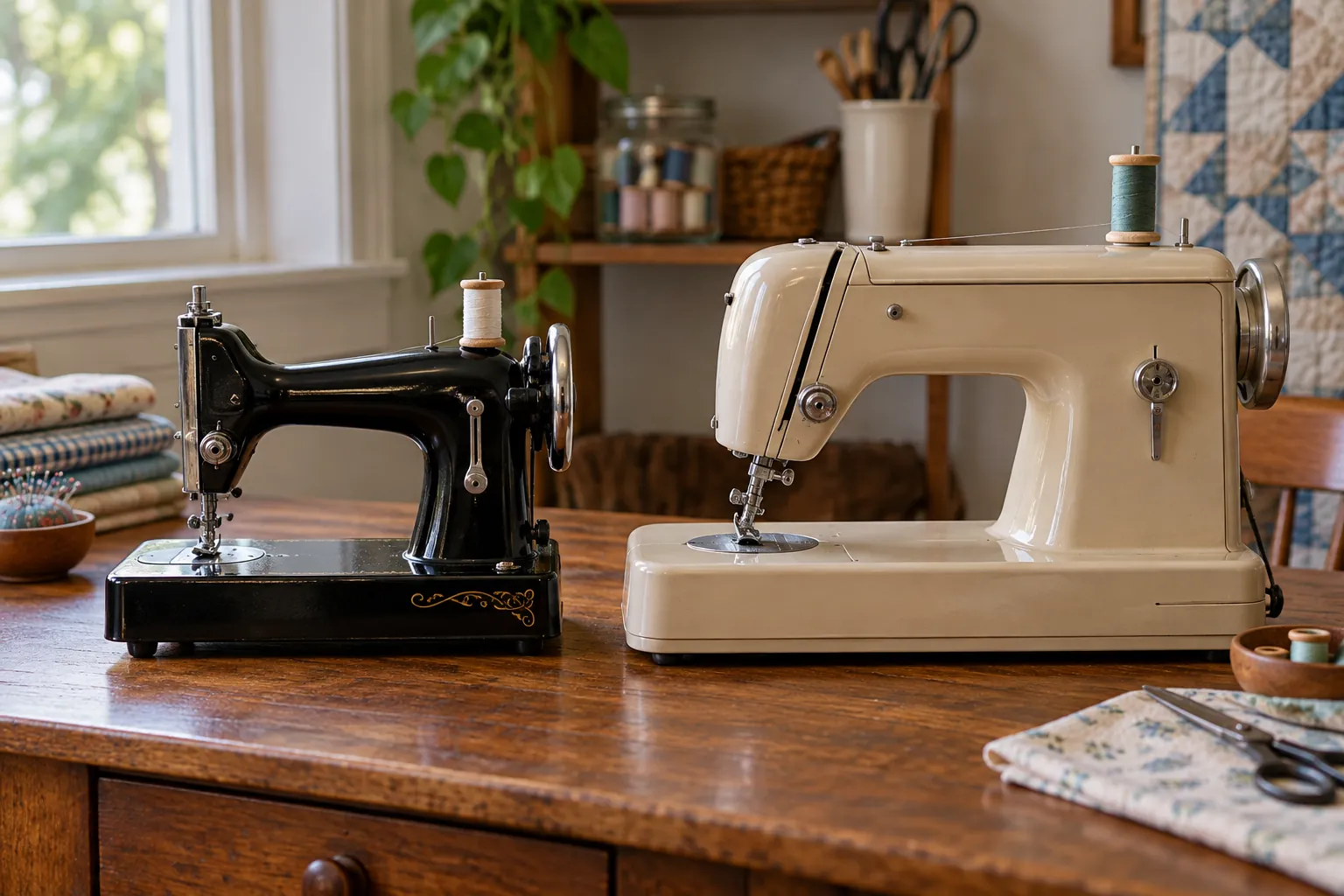
Comparisons · 3 min read
Singer 301 vs Featherweight 221
Singer 301 vs 221 Featherweight compared: weight, size, slant needle, bobbin, feet, colours, years and value, so you can choose the right vintage portable Singer.
Read the article
Comparisons · 3 min read
Singer Red Eye: the 66 vs the 99, and how to identify one
What is a Singer “Red Eye”? The name of a colourful decal used on the Singer 66. Learn how to tell a Red Eye 66 from a 99, the drop-in bobbin, back-clamping feet, sizes and how to date yours.
Read the article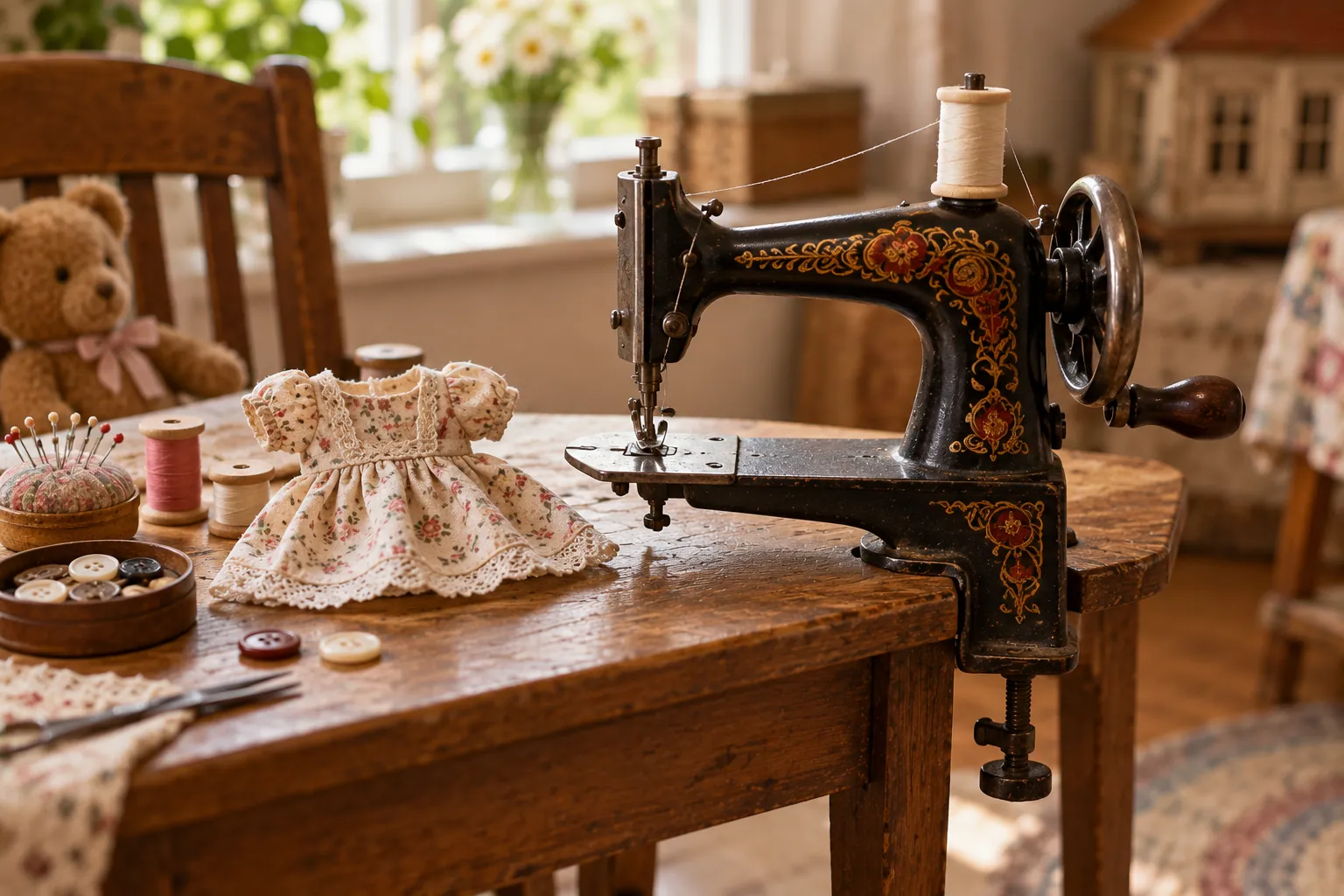
Models · 3 min read
Singer toy and child’s sewing machines: the Model 20 and Sewhandy
The miniature Singer sewing machine most people find is the Singer Model 20, a child’s chain-stitch machine made from 1910 into the 1970s. How to identify a 20-1, 20-10 Sewhandy and later versions.
Read the article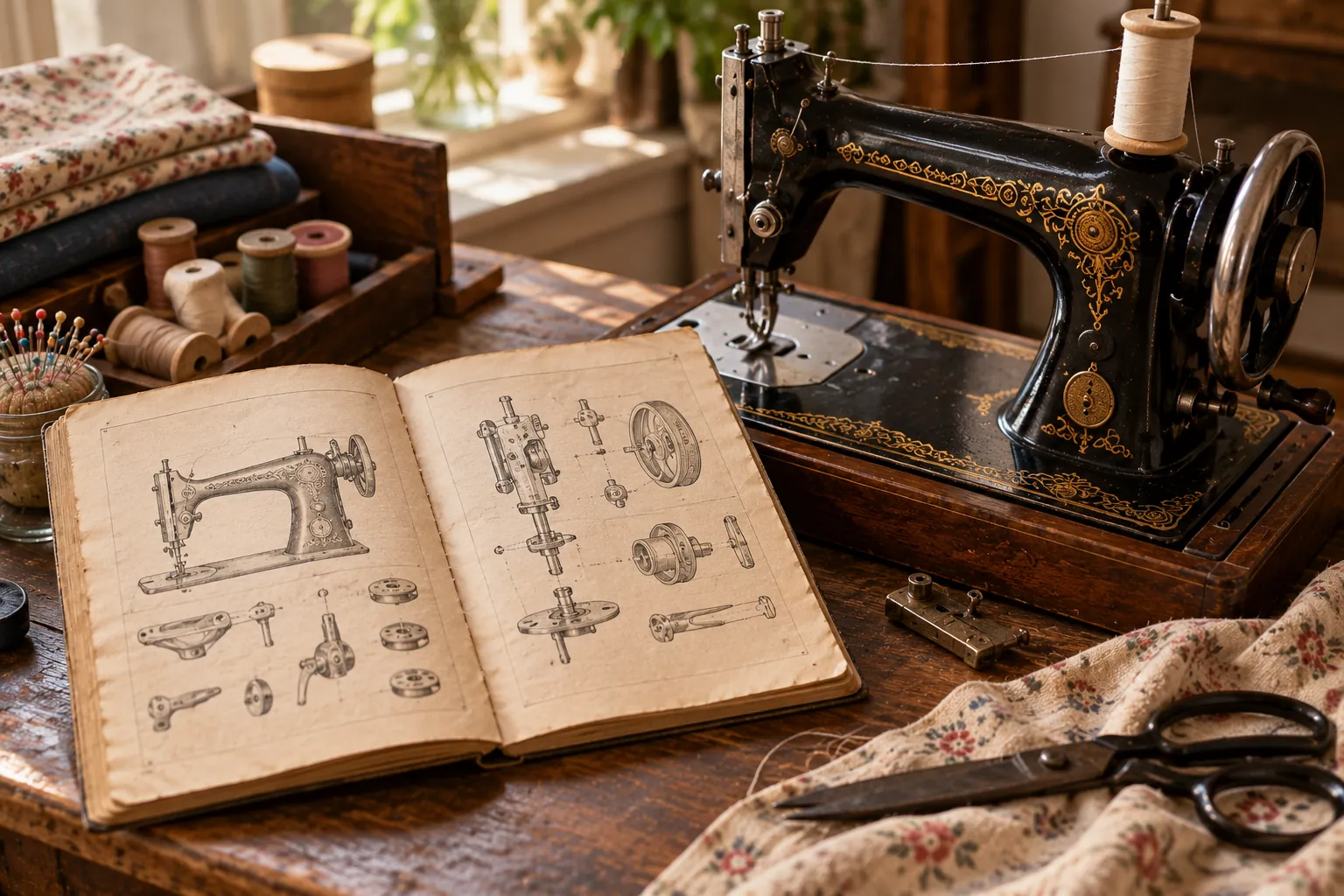
Care · 3 min read
Where to find a vintage Singer sewing machine manual
How to find the right manual for an old Singer: identify the model, then use free sources such as the ISMACS manuals library and Singer’s support site. Plus what the manual tells you about threading, oiling and bobbins.
Read the article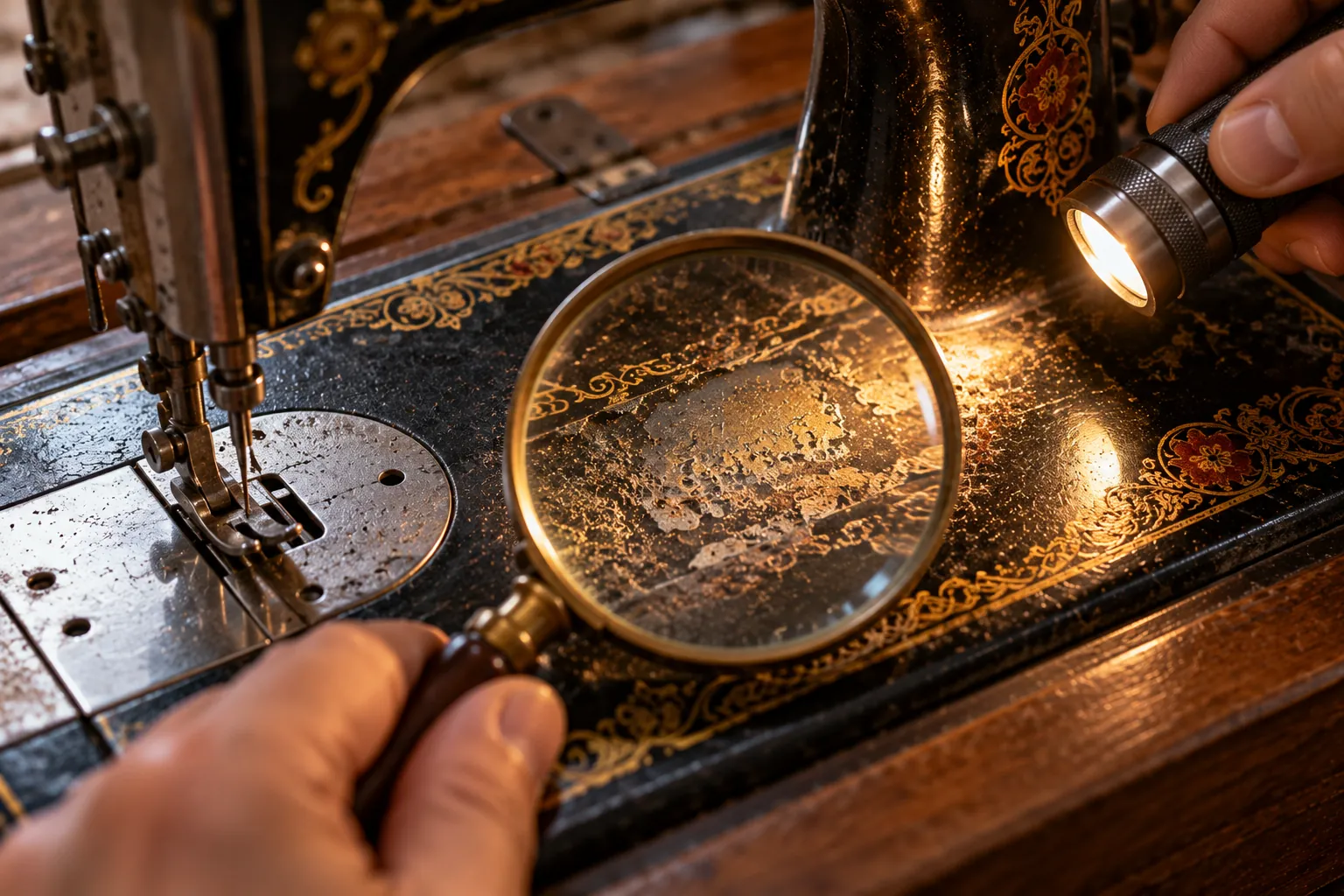
Dating · 3 min read
How to date a Singer sewing machine: four methods
How old is my Singer? Date it by serial number first, then confirm with the model, the decals and the features. Step-by-step, with what each method can and can’t tell you.
Read the article
Value · 3 min read
Are old Singer sewing machines worth anything?
Most old Singers sell for modest sums because millions were made, but some models and conditions command real money. Which Singers are worth more, what a 1910, 1920 or 1950s Singer is worth, and how to check.
Read the article
Value · 3 min read
How to get an antique sewing machine appraised
When an antique sewing machine appraisal is worth paying for, how to find a qualified appraiser (ASA, ISA, AAA), what it costs, and the free alternatives: sold prices, dealer offers and auction estimates.
Read the article
Buying · 3 min read
Buying a used vintage sewing machine: a 12-point checklist
Where to find a vintage Singer for sale and how to check one before you buy: handwheel, wiring, bobbin case, motor, stitch test, red flags and fair prices.
Read the article
Value · 3 min read
How to sell a vintage or antique sewing machine
Where to sell an old sewing machine, how to price it from sold listings, what to put in the listing, and how to pack and ship a heavy machine safely.
Read the article
Value · 3 min read
Old Singer sewing machine tables and cabinets: value and repurposing
What an old Singer sewing machine table or cabinet is worth, which cabinets are rare, and how to repurpose a treadle base or cabinet without destroying a collectable.
Read the article
Buying · 3 min read
Buying a Singer Featherweight: value, checks and quilting tips
Thinking of buying a Singer Featherweight 221 or 222K? What they are worth, which versions are rare, what to check before you pay, and why quilters love them.
Read the article
Buying · 3 min read
The best vintage Singer sewing machines to buy and use
The best vintage Singers for everyday sewing: the 201, 15-91, 66/99, 301, 221 Featherweight and 401A, compared for straight stitch, zigzag, weight and heavy fabric. Mechanical, all-metal and built to last.
Read the article
Models · 3 min read
Vintage portable Singer sewing machines and their cases
Guide to antique and vintage portable Singers: the 221 Featherweight, 222K, 99K in a bentwood case, 128, 301 and 185, with weights, cases and how to identify yours.
Read the article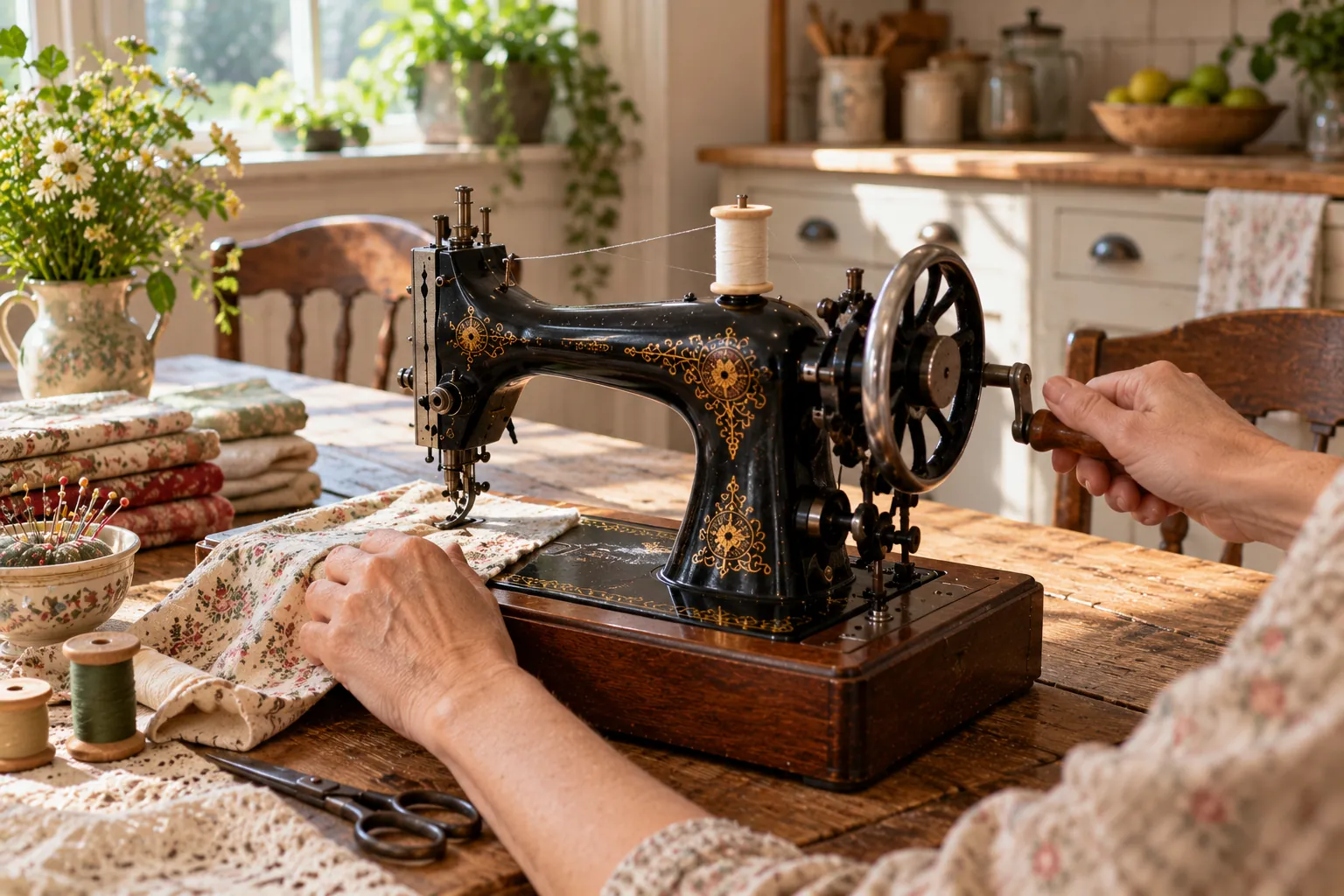
Models · 3 min read
Hand-crank and pedal sewing machines: vintage Singers without electricity
How hand-crank and treadle (pedal) Singers work, which vintage models were made or converted as hand cranks, and how they compare with electric machines for off-grid, travel and quiet sewing.
Read the article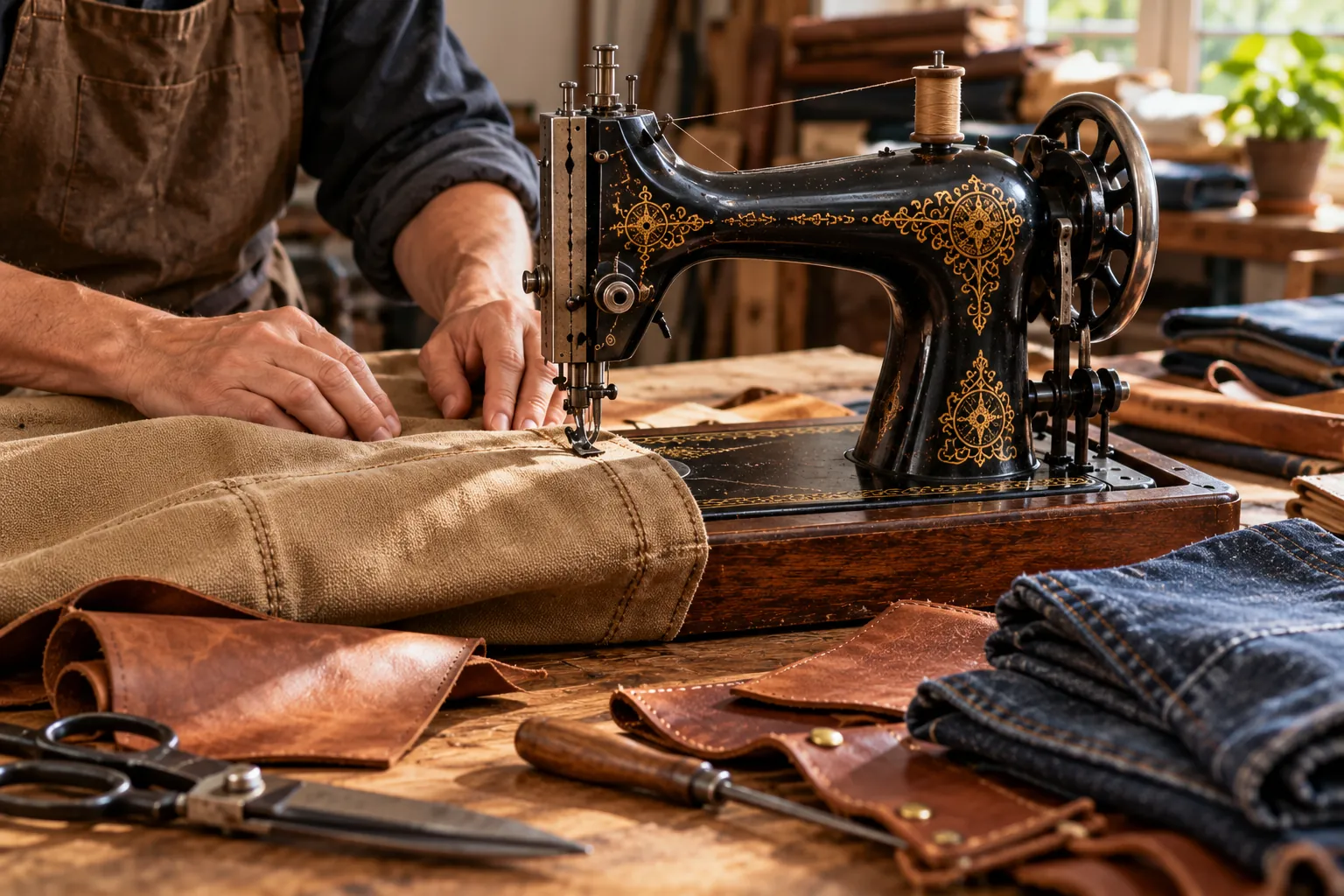
Buying · 3 min read
Can a vintage Singer sew leather, denim and heavy fabric?
What vintage household Singers such as the 15-91, 201 and 301 can really sew: denim and canvas yes, light leather with care, heavy leather no. Needles, thread, feet and the industrial alternatives.
Read the article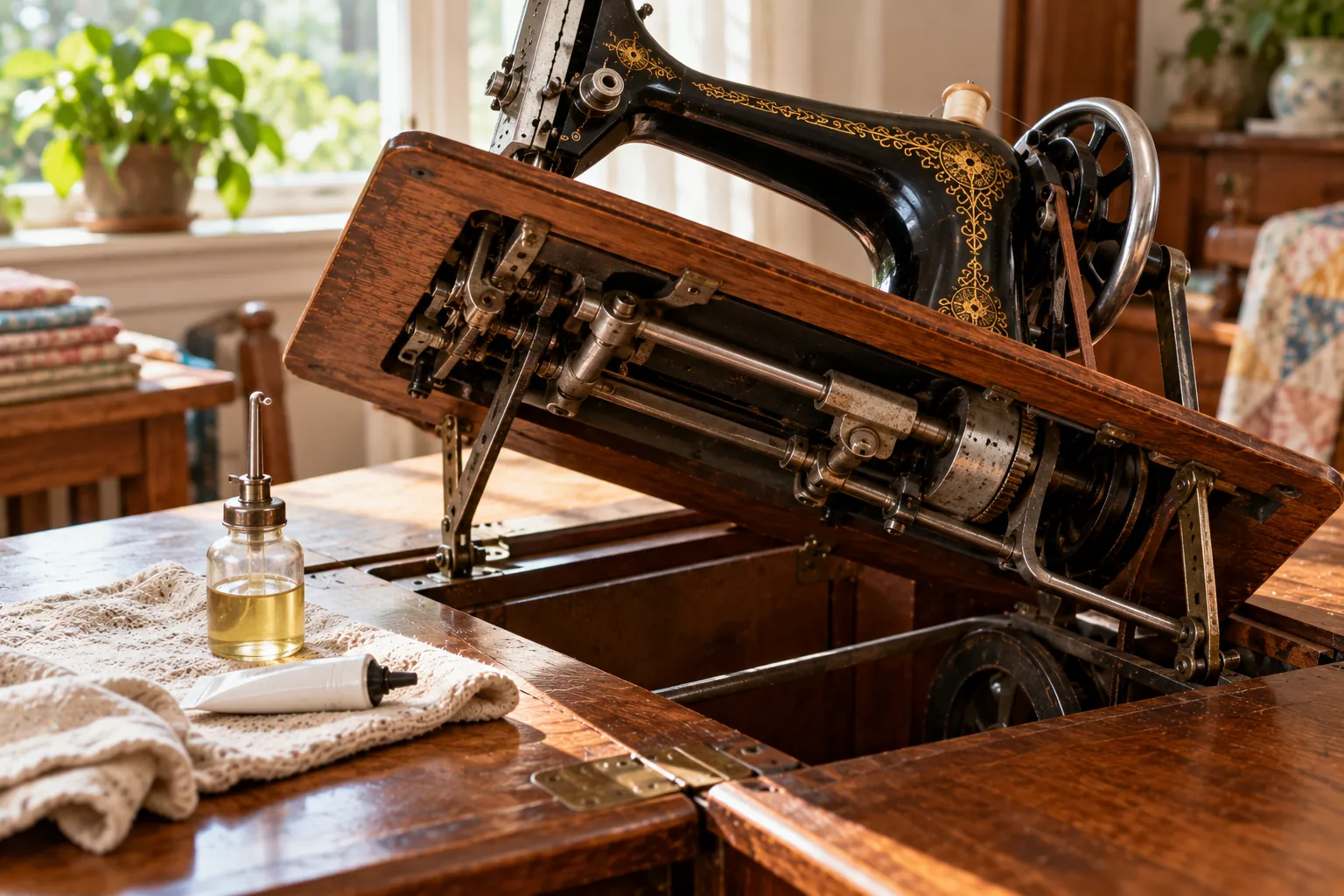
Care · 3 min read
What oil to use on a vintage Singer sewing machine
Use clear sewing machine oil on the mechanism and motor lubricant or grease in the motor ports, never oil. Why 3-in-1, WD-40 and motor oil cause trouble, where the oil holes are, and how often to oil.
Read the article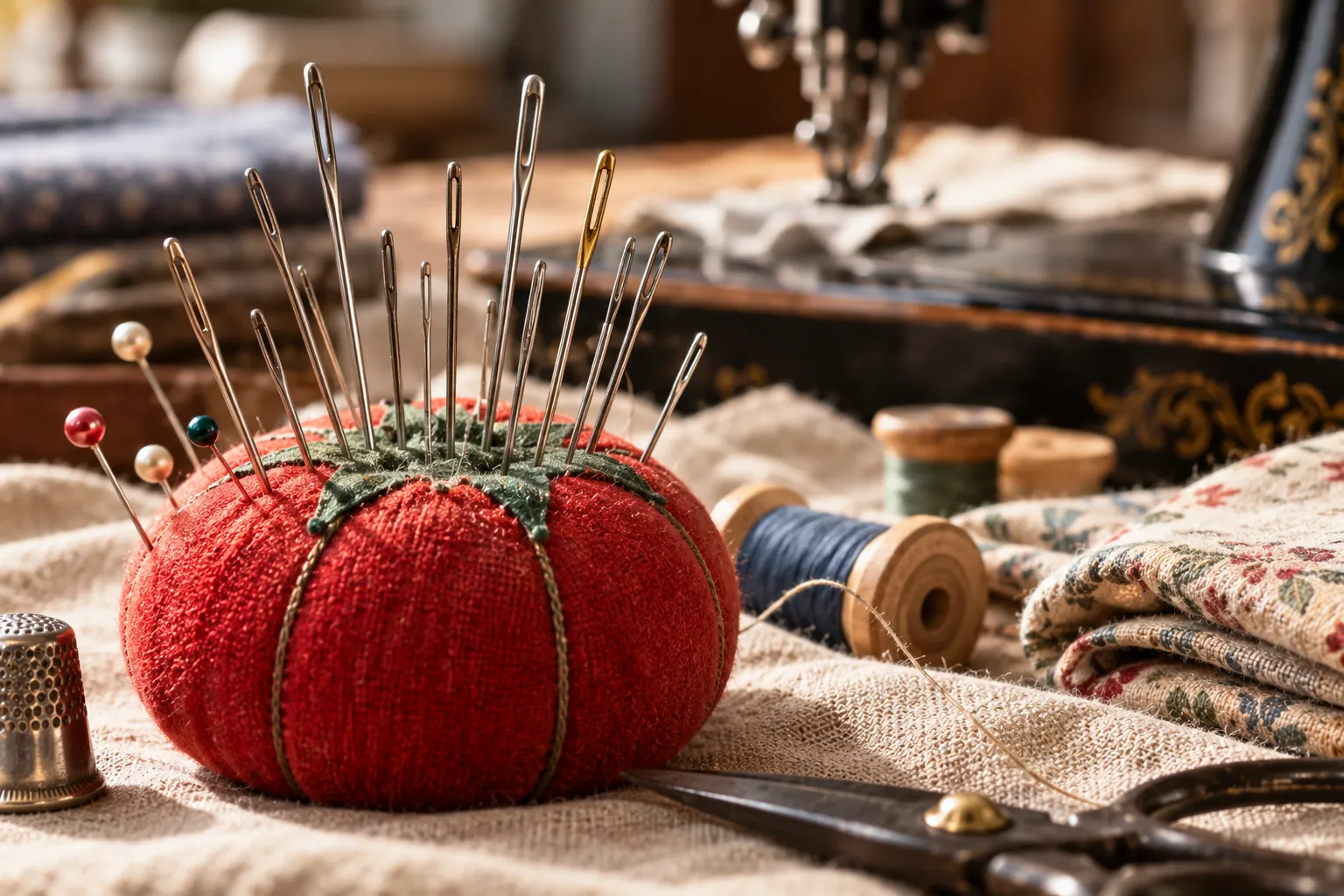
Care · 3 min read
Which needles fit a vintage Singer sewing machine?
Almost every vintage Singer household machine takes the standard 15x1 needle, sold today as 130/705H or “universal”. Sizes for each fabric, denim and leather needles, and which way the flat side faces on each model.
Read the article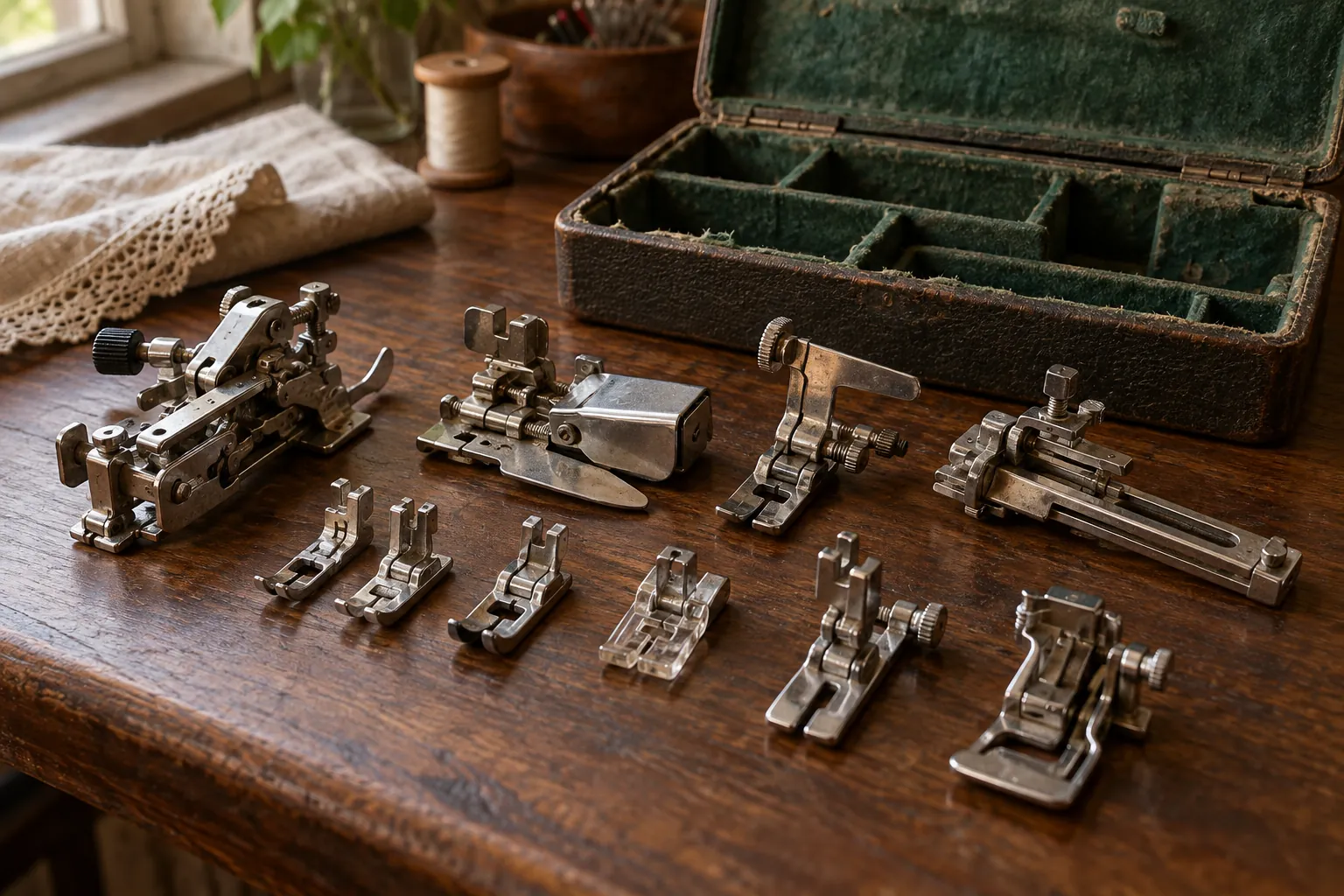
Care · 3 min read
Vintage Singer presser feet and attachments
Which presser feet fit your vintage Singer: low shank (15, 66, 99, 201, 221), slant shank (301, 401A, 403A, 404, 500A) or back-clamping (early 66). Types of feet, walking feet, buttonholers and other attachments explained.
Read the article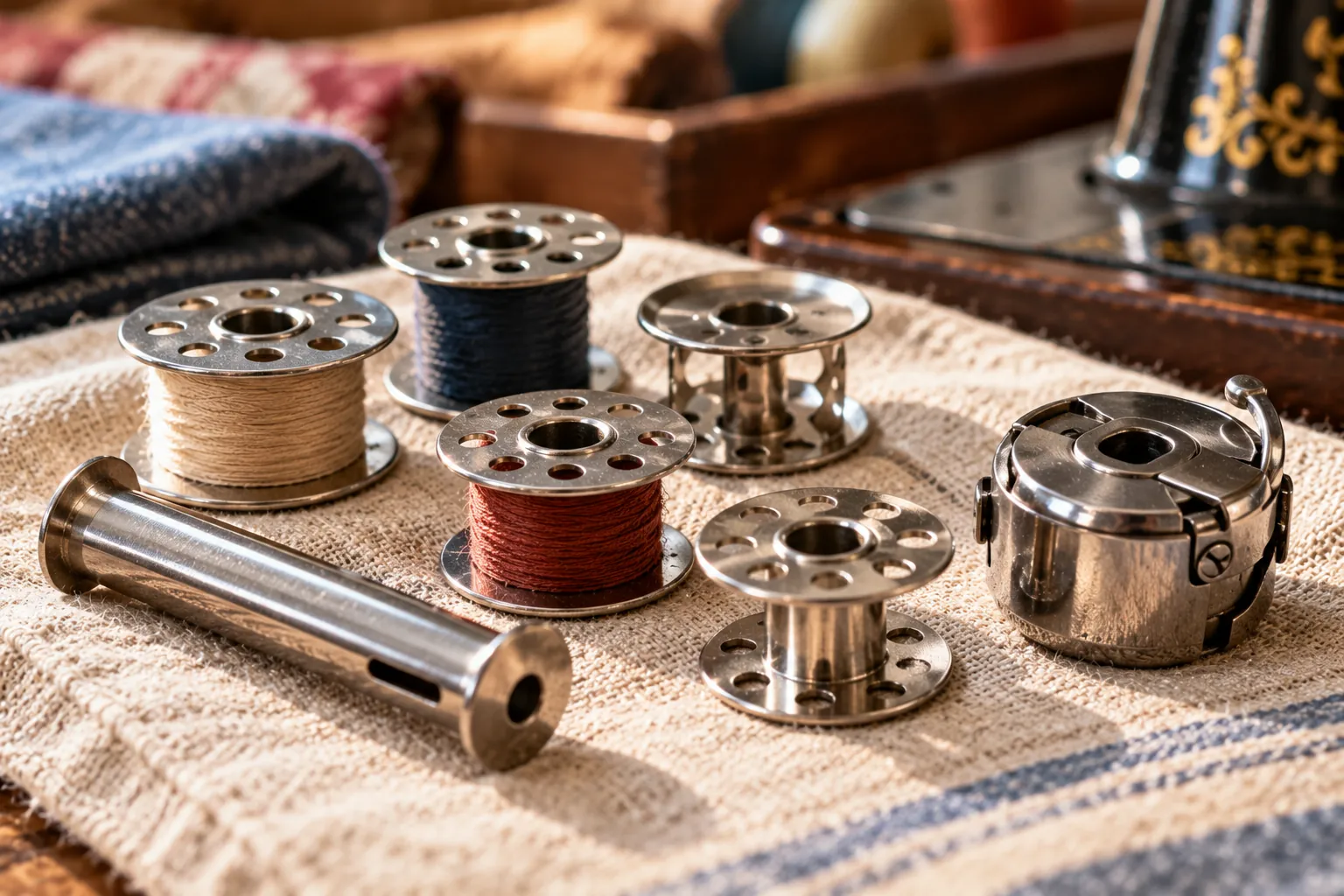
Care · 3 min read
Singer bobbin types: which bobbin fits your vintage Singer?
Vintage Singers use four main bobbins: Class 15 (flat sides), Class 66 (domed), the thinner 221/301 bobbin (part 45785) and long shuttle bobbins. A chart of which fits each model, plus bobbin case problems.
Read the article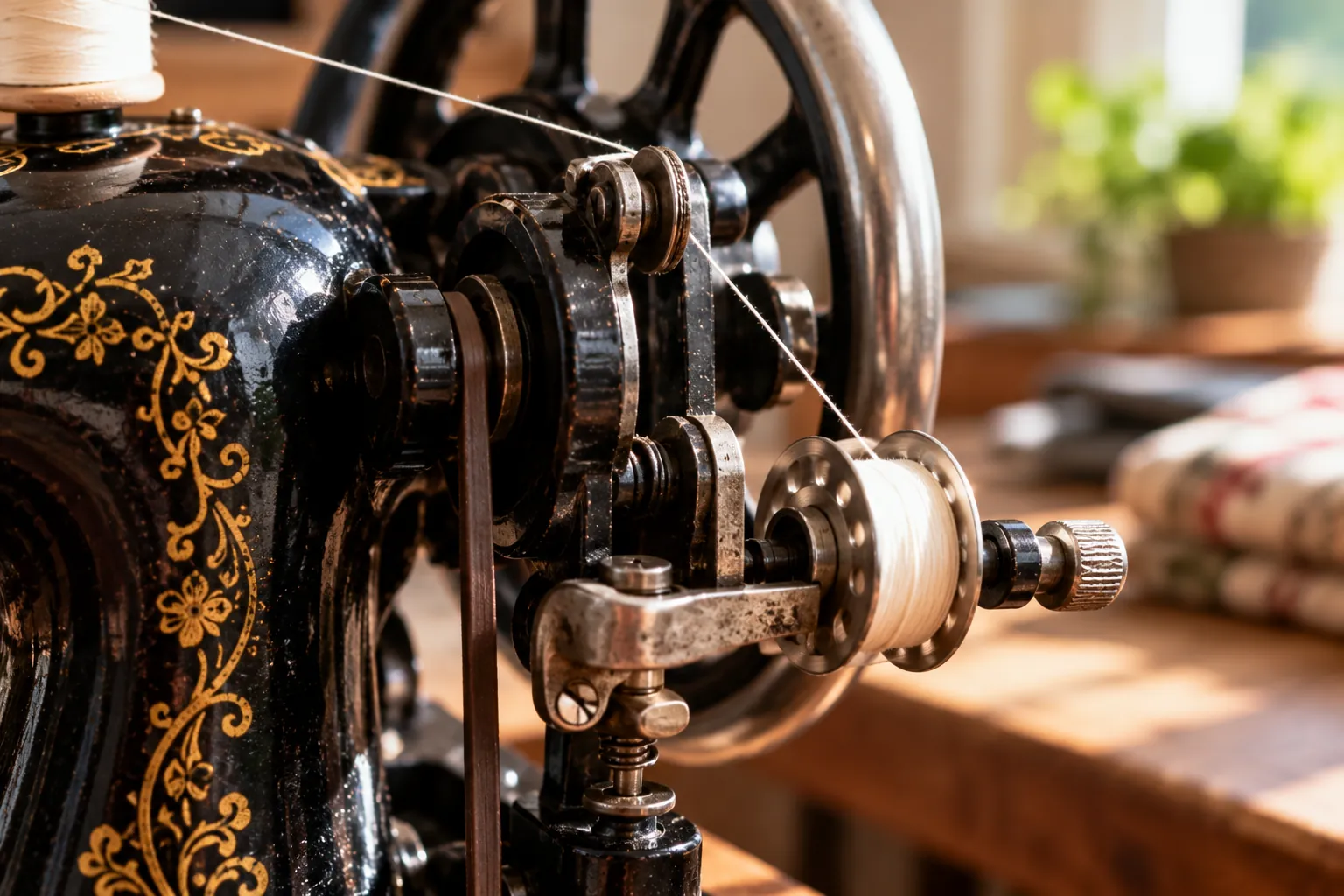
Care · 3 min read
How to wind and insert a bobbin on a vintage Singer
Step-by-step: loosen the stop-motion knob, wind the bobbin, then load it the right way round for a Singer 15-91, 66, 99, 201 or Featherweight 221, with the thread direction for each.
Read the article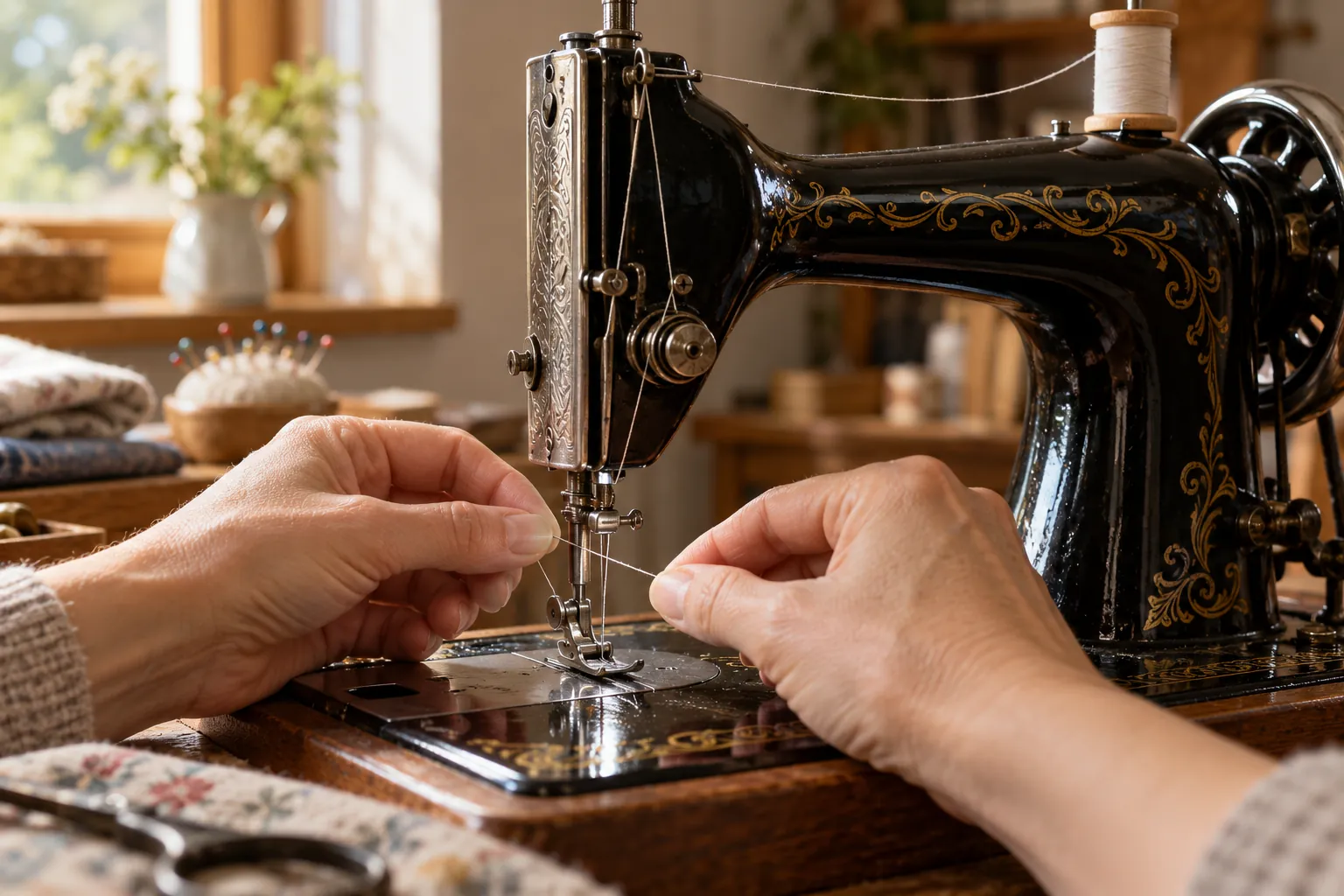
Care · 3 min read
How to thread a vintage Singer sewing machine
Threading an old Singer: raise the take-up lever, presser foot up, then spool, tension discs, check spring, take-up lever, guides and needle. Which way to thread the needle on the 15-91, 66, 99, 201, 221, 301 and 401A.
Read the article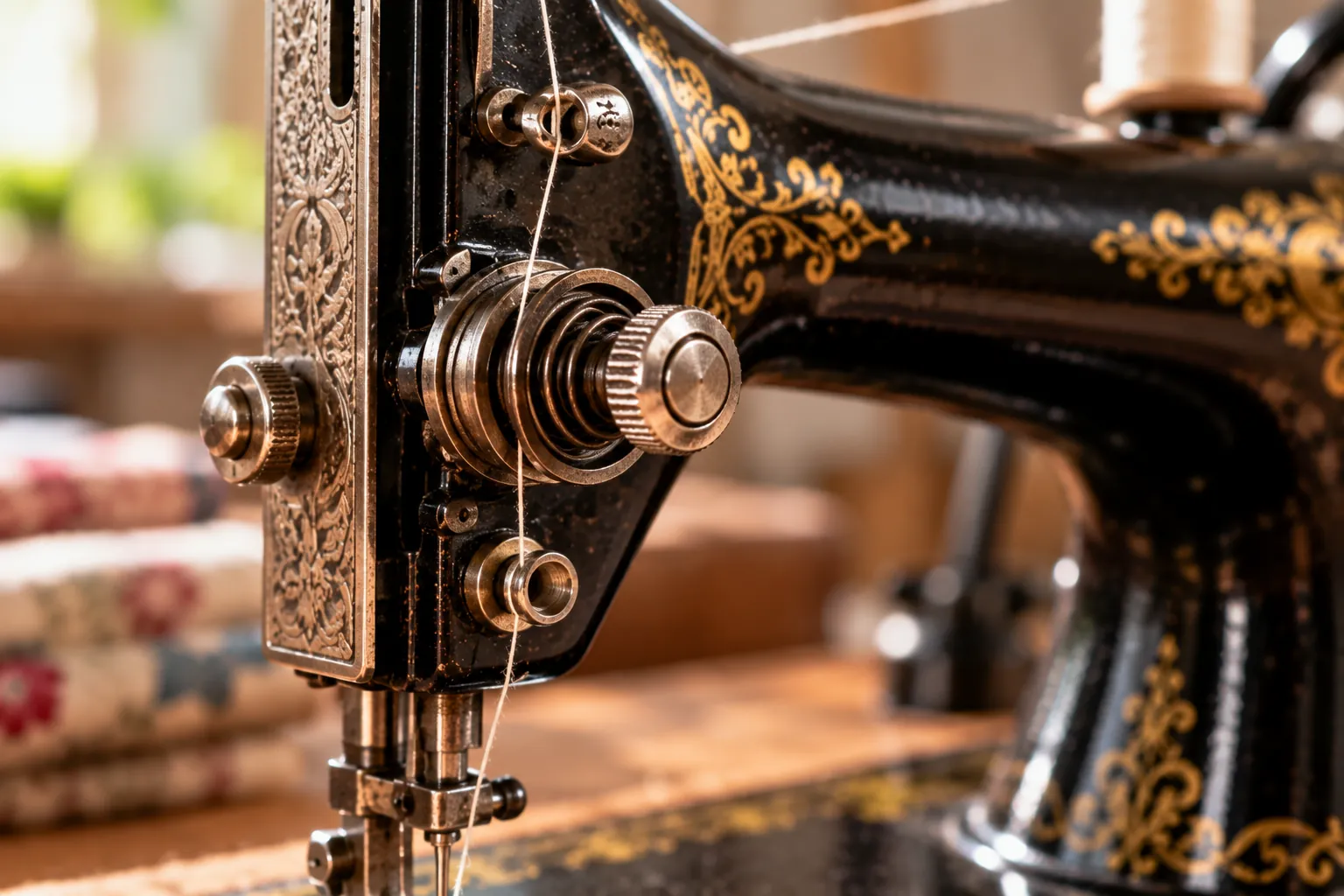
Care · 3 min read
How to adjust thread tension on a vintage Singer
Fix loops and puckers on an old Singer: rethread first, set the bobbin case tension in tiny turns, then adjust the 0–9 upper tension dial with the presser foot down. Includes a two-colour stitch test and what each fault means.
Read the article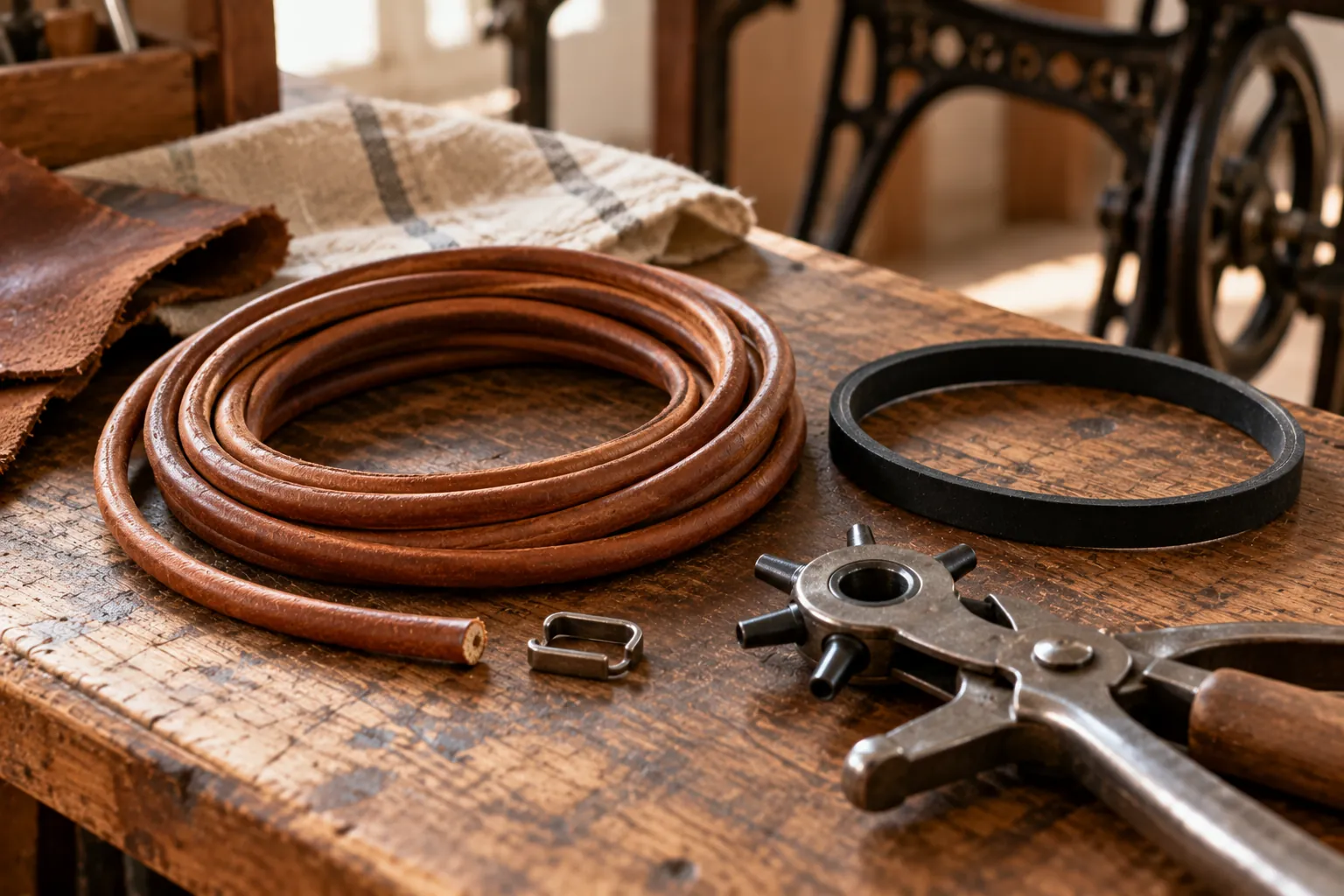
Care · 3 min read
Singer sewing machine belts: treadle and motor belts
How to replace a Singer treadle belt (leather, joined with a staple) and choose the right motor belt for a 15, 66, 99, 201 or 221, with belt sizes and the correct tension.
Read the article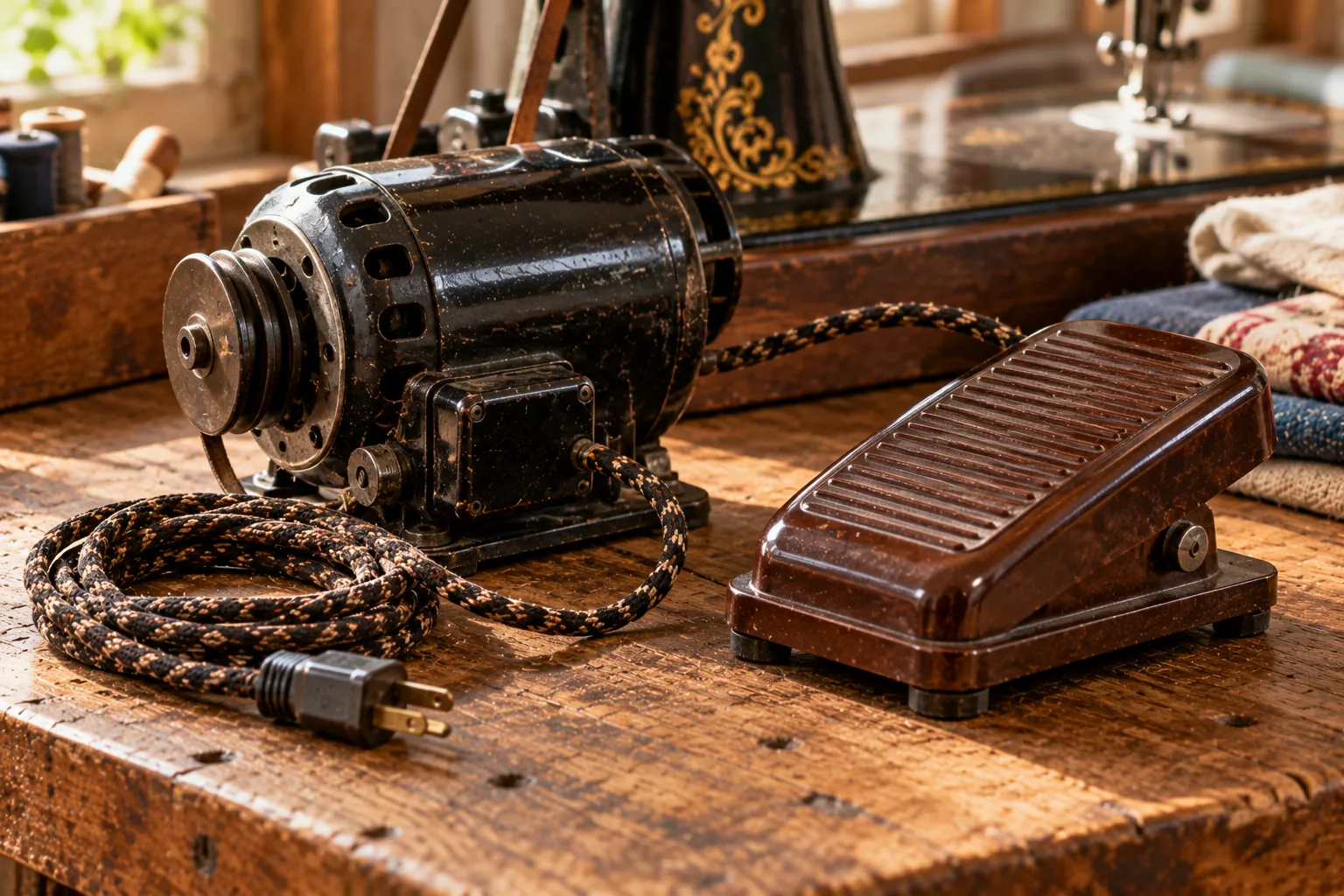
Care · 3 min read
Vintage Singer motors and foot pedals
Which motor your vintage Singer has (potted or external), how the old carbon-pile foot controllers work, whether the motor needs grease, and when to rewire for safety.
Read the article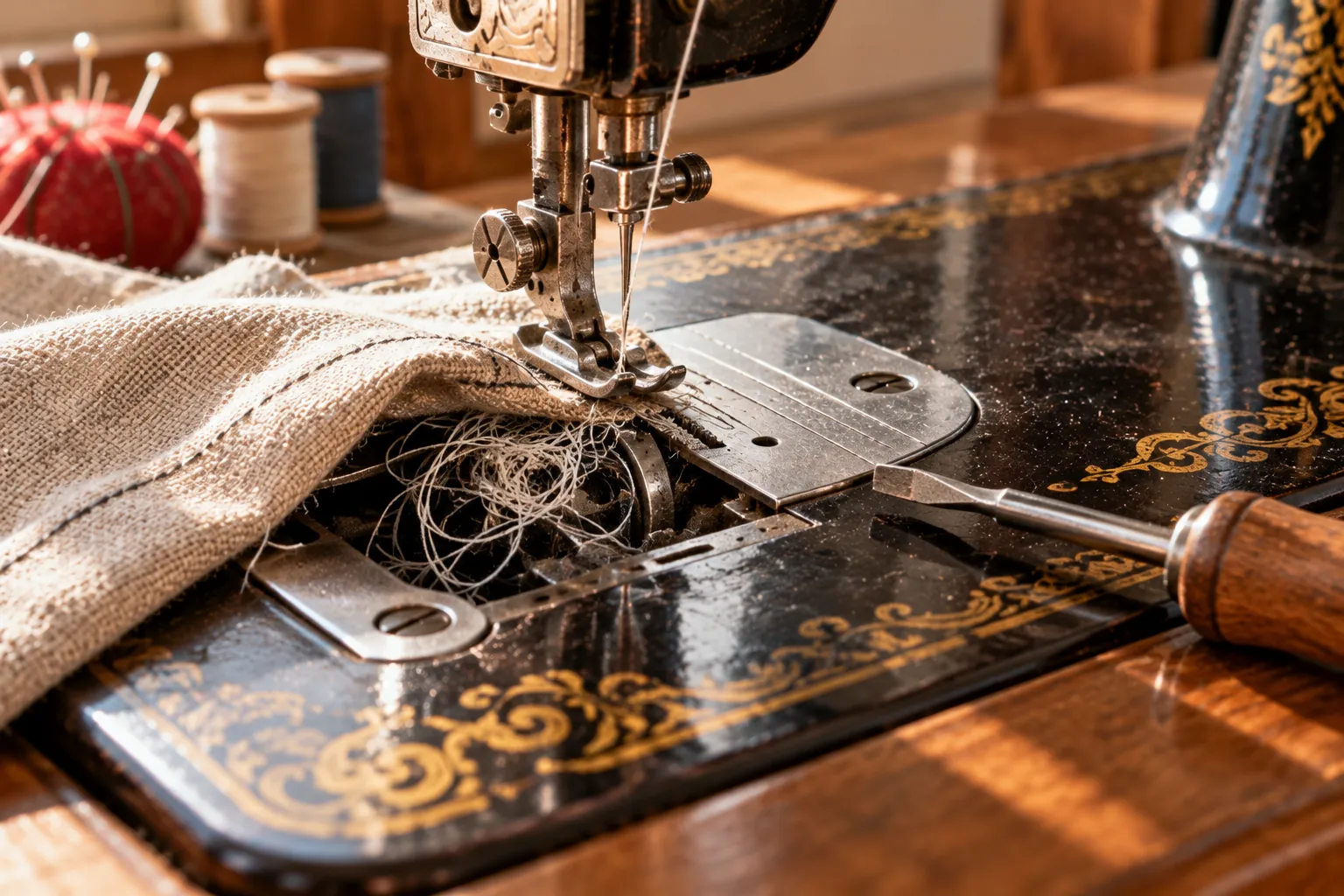
Care · 3 min read
Vintage Singer sewing machine problems and how to fix them
Fix a vintage Singer: thread bunching underneath, skipped stitches, breaking thread or needles, a stiff or seized machine, a needle that won’t move, and slow motors. Causes and fixes from Singer’s own manuals.
Read the article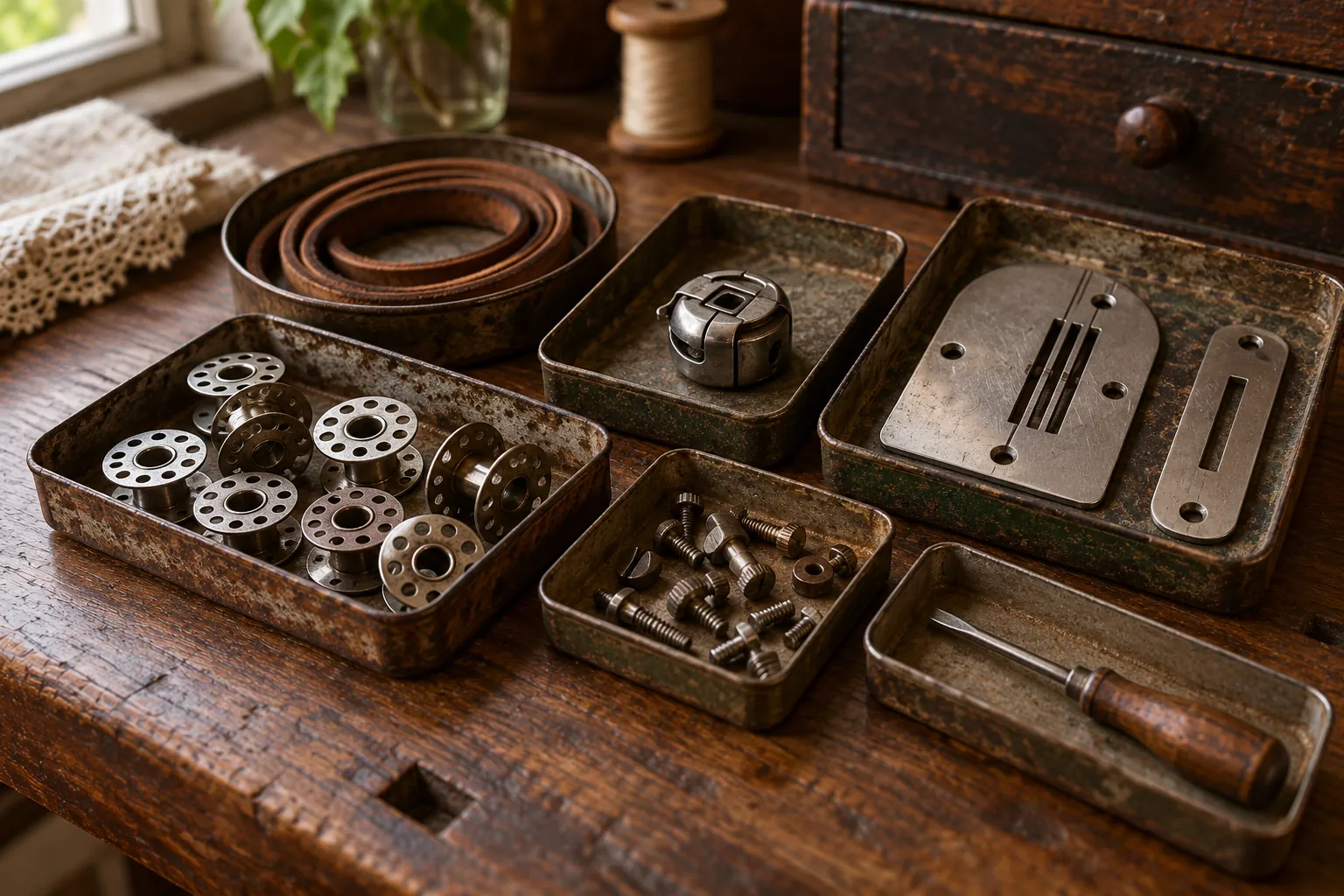
Care · 3 min read
Vintage Singer sewing machine parts: a buyer’s guide
The replacement parts vintage Singers need most (bobbin cases, belts, motor brushes, slide plates, feet, needles, wiring) and how to find the right part by model, class and Singer part number.
Read the article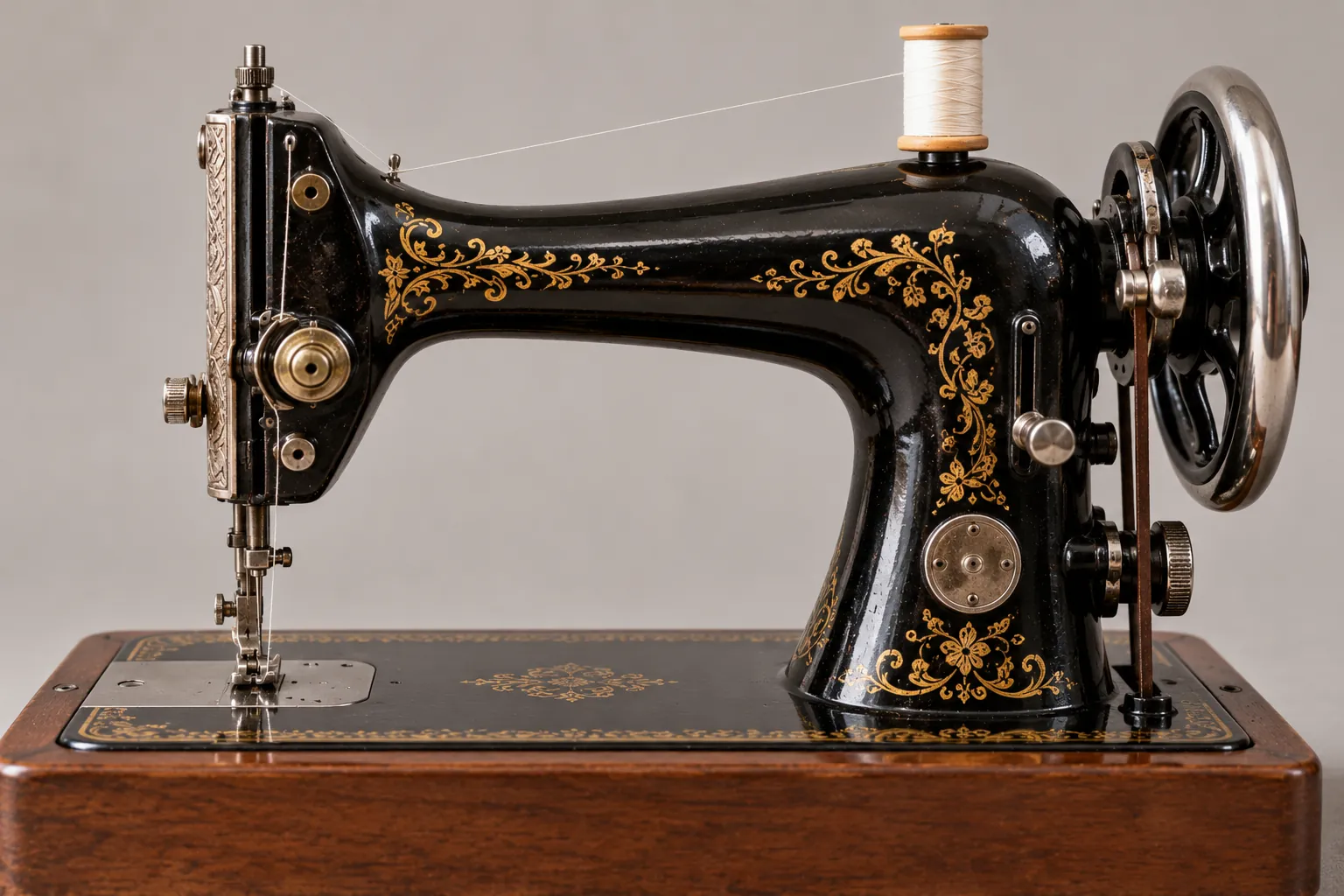
Care · 3 min read
Parts of a sewing machine and their functions
The parts of a sewing machine and what each does, with the names used on vintage Singers: arm, bed, handwheel, stop-motion knob, take-up lever, tension discs, presser bar, feed dogs, hook, bobbin case and more.
Read the article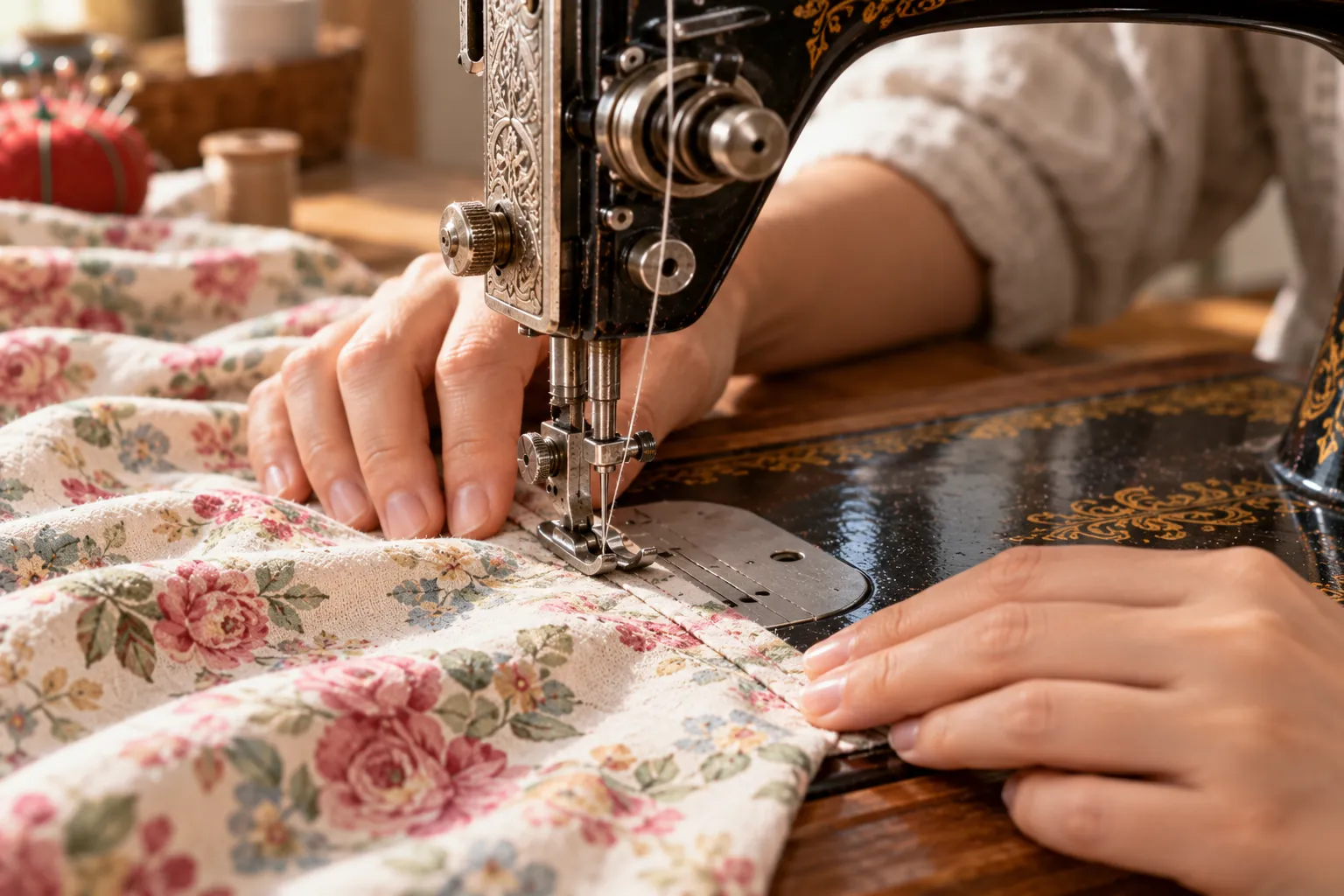
Care · 3 min read
How to use a vintage Singer sewing machine
A beginner’s guide to setting up and sewing on an old Singer: check and oil it, fit a needle, wind the bobbin, thread it, set stitch length, sew, reverse and finish a seam. Works for the 15-91, 66, 99, 201, 221 and 301.
Read the article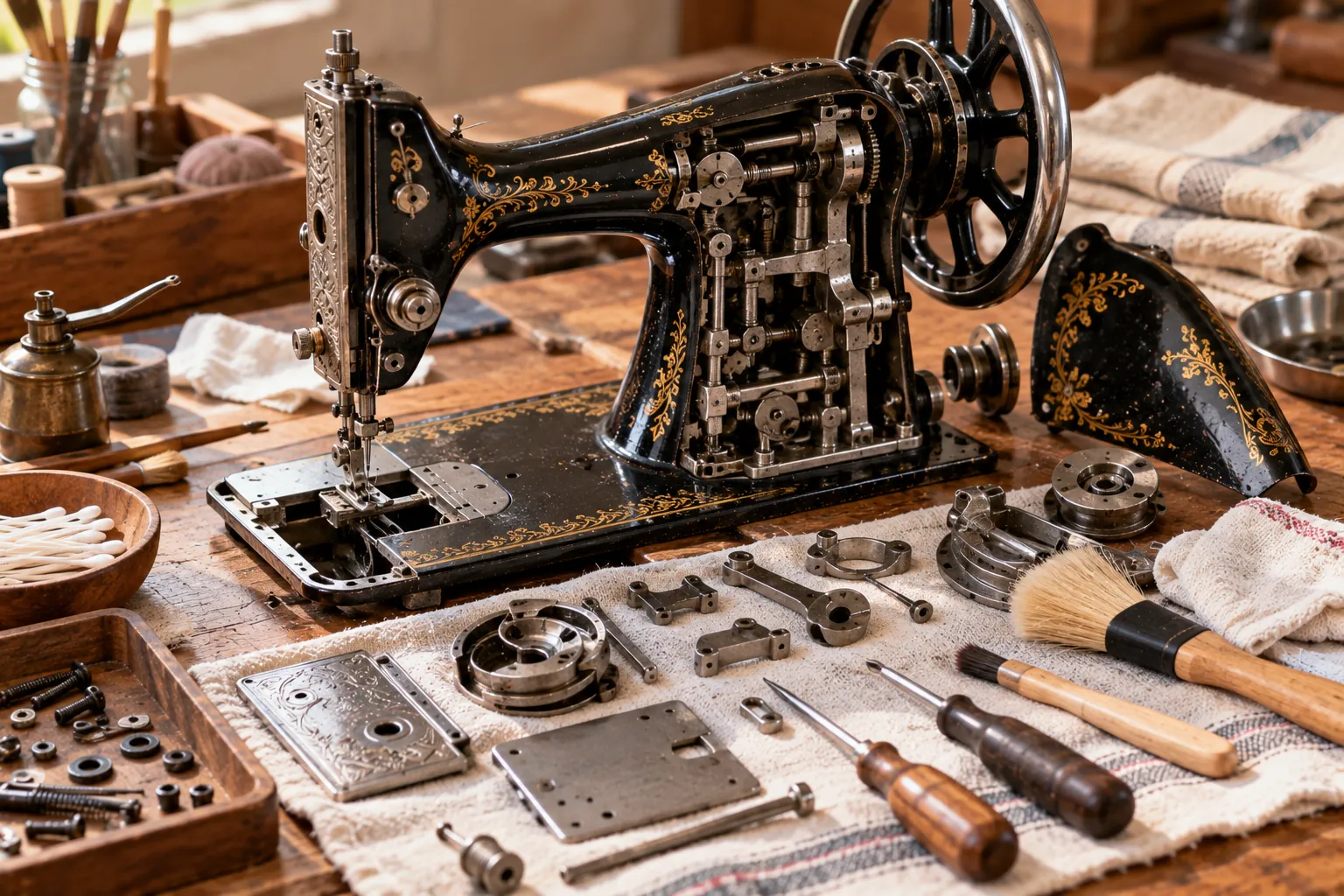
Care · 3 min read
How to restore a vintage Singer sewing machine
A conservative restoration plan for an old Singer: assess, free and clean the mechanism, clean the japanning and decals safely, treat rust and nickel plating, rewire, and adjust. What not to do.
Read the article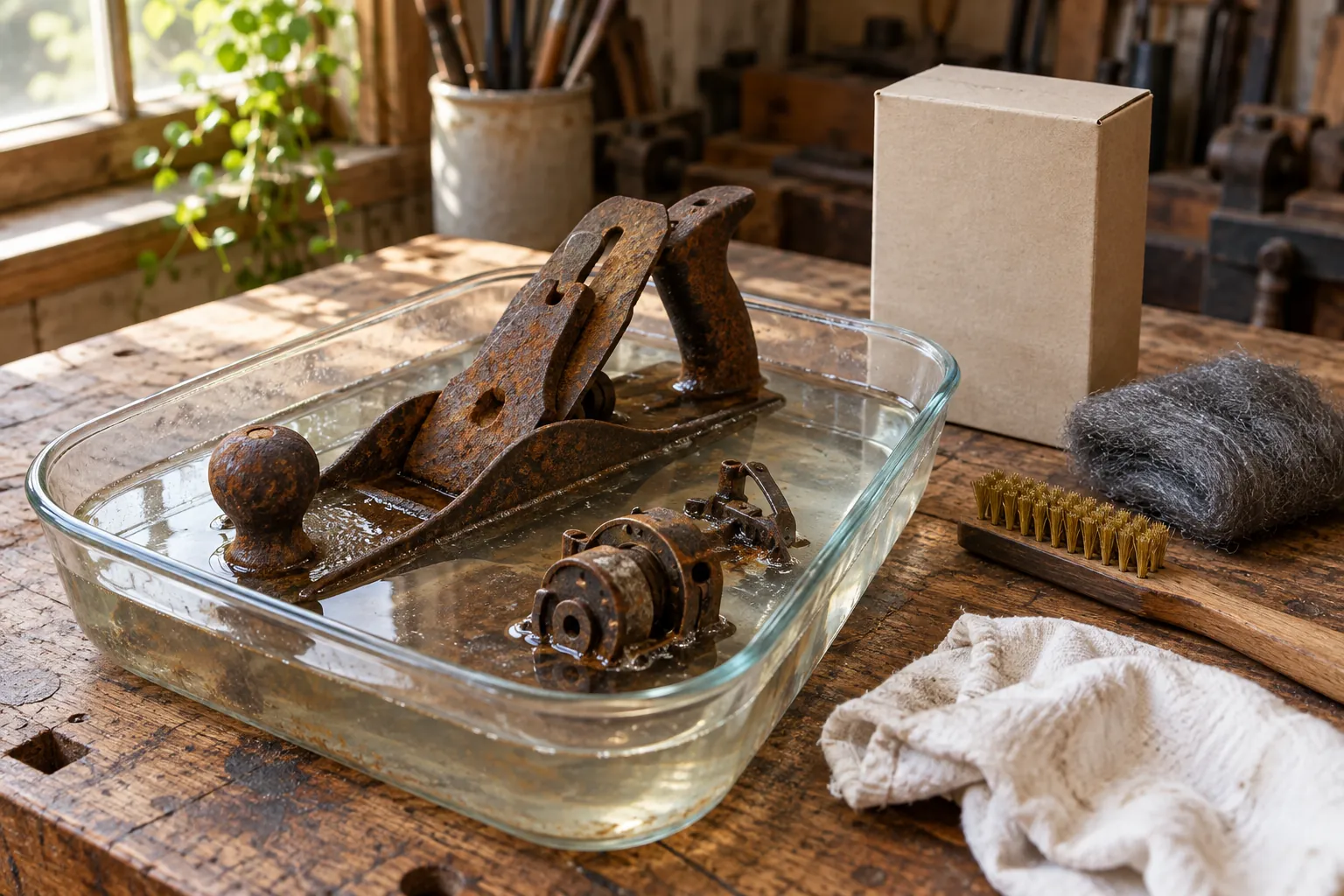
Care · 3 min read
How to remove rust from metal, tools and antique machines
How to remove rust from metal with vinegar, citric acid, baking soda, rust removers or electrolysis, plus the gentle methods conservators use on antique sewing machines and tools, and how to stop rust coming back.
Read the article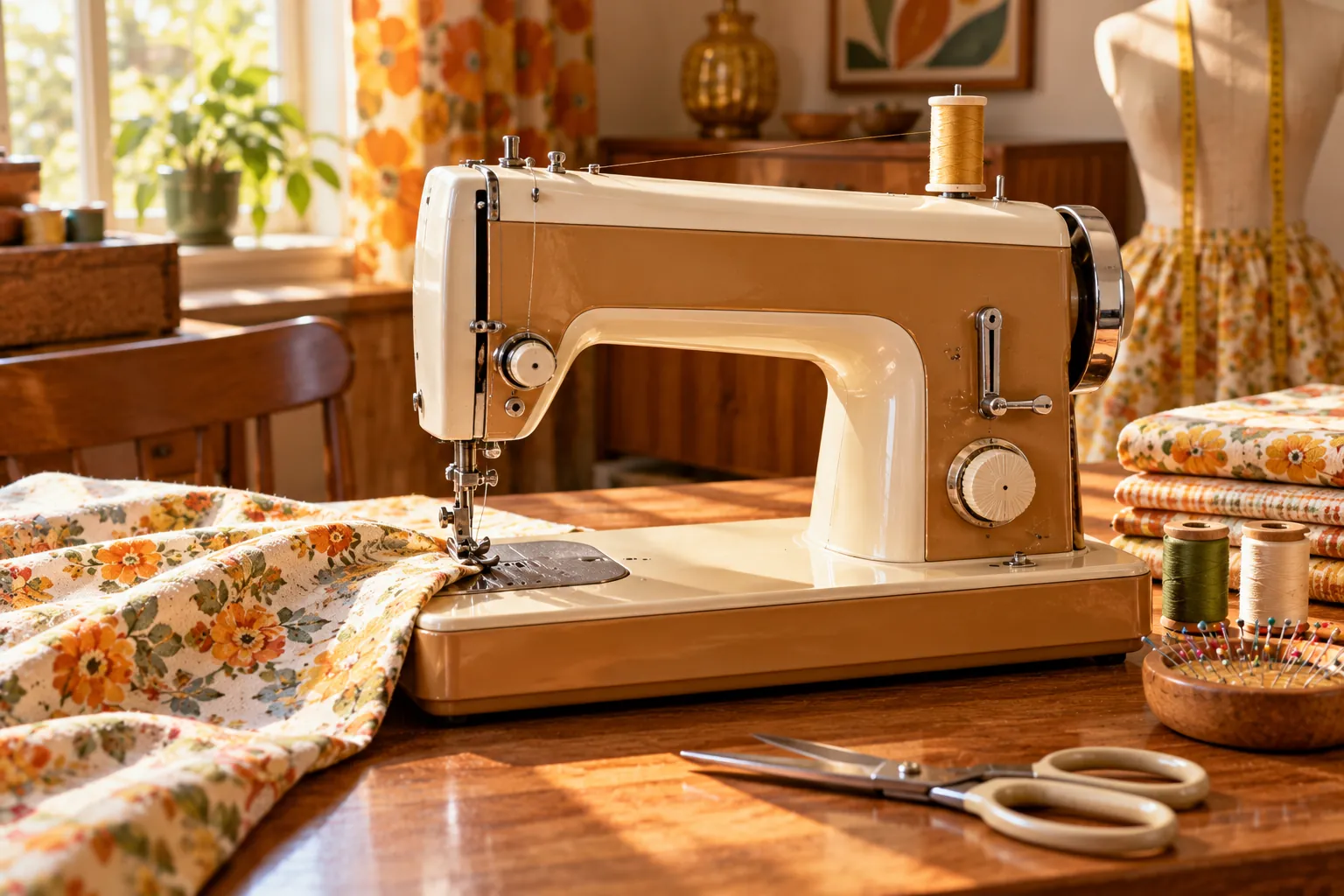
Comparisons · 3 min read
Singer Slant-o-Matic 401A vs 403A vs 404 vs 500A
The Singer 401A, 403A, 404, 500A and 503A compared: built-in stitches vs cams only vs straight stitch, years, Anderson factory, bobbins, shank and which to buy.
Read the article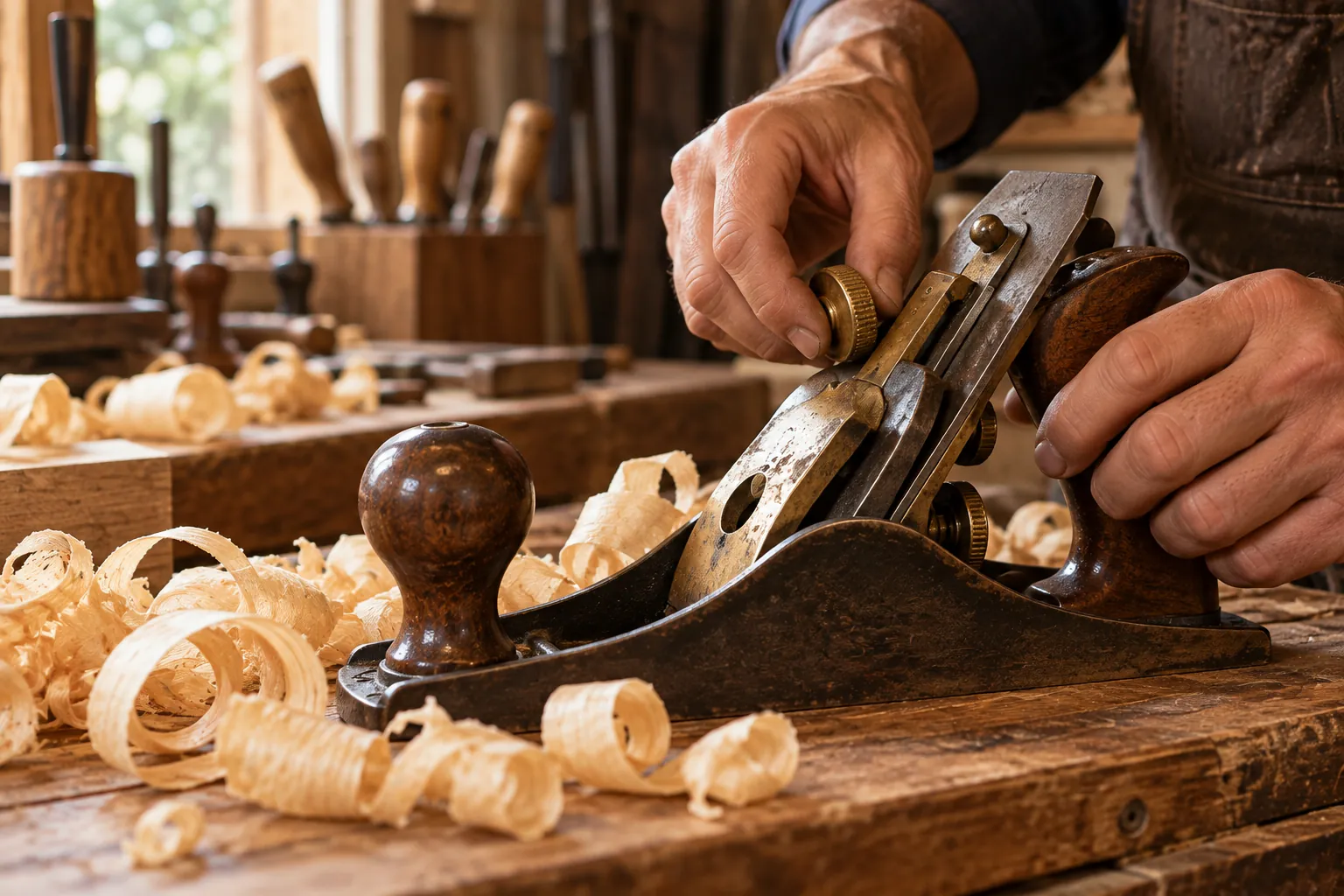
Hand tools · 3 min read
How to restore and tune a vintage hand plane
Restore and set up an old Stanley or Bailey-pattern hand plane: derust gently, flatten the sole, set the frog and mouth, fit the chipbreaker close to the edge, sharpen the iron and adjust depth and lateral.
Read the article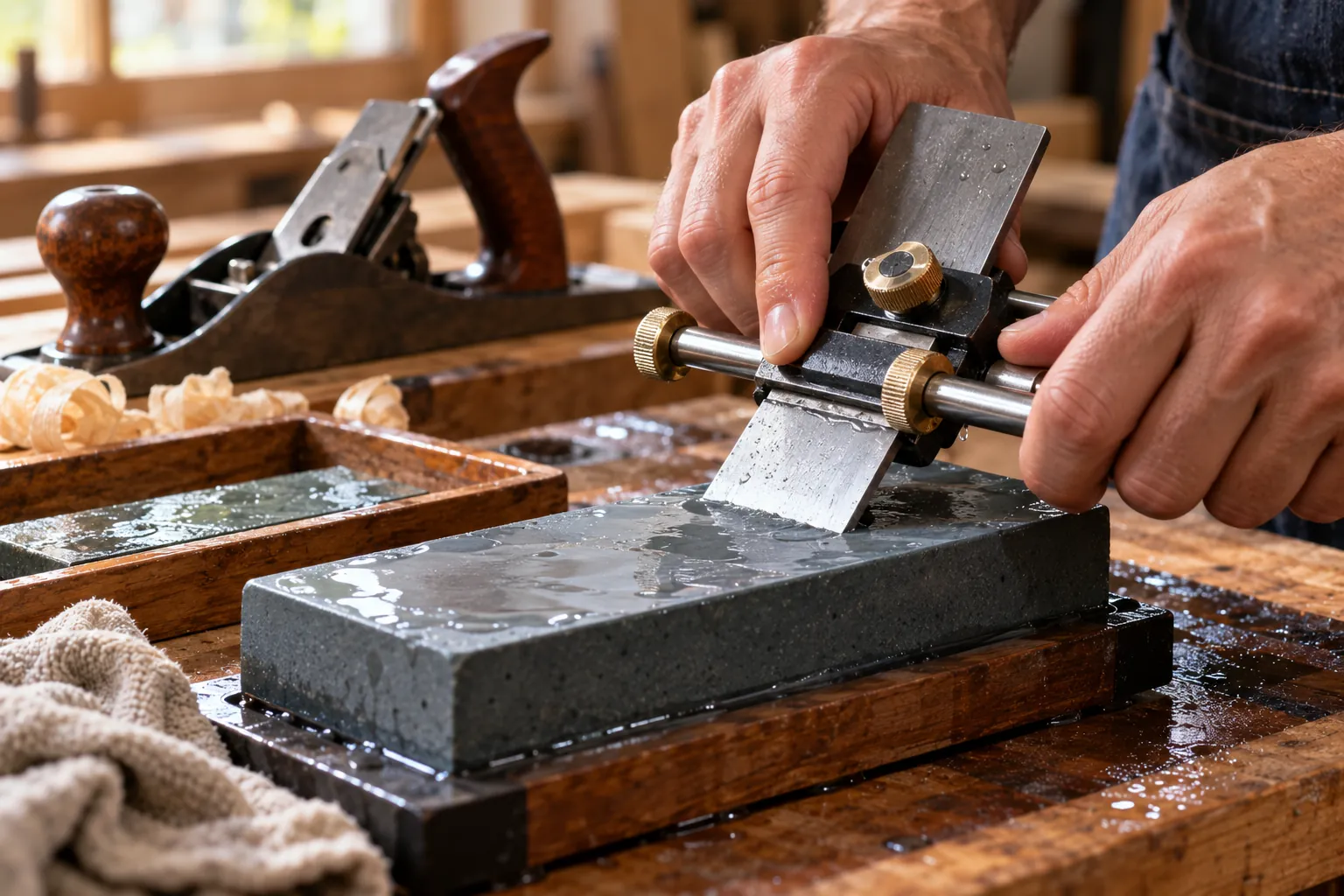
Hand tools · 3 min read
How to sharpen a hand plane iron
Sharpen a bench plane blade: flatten the back, grind a 25° bevel, hone a 30° microbevel through 1000, 4000 and 8000 grit, and use the ruler trick on pitted backs. Plus camber for jack and smoothing planes.
Read the article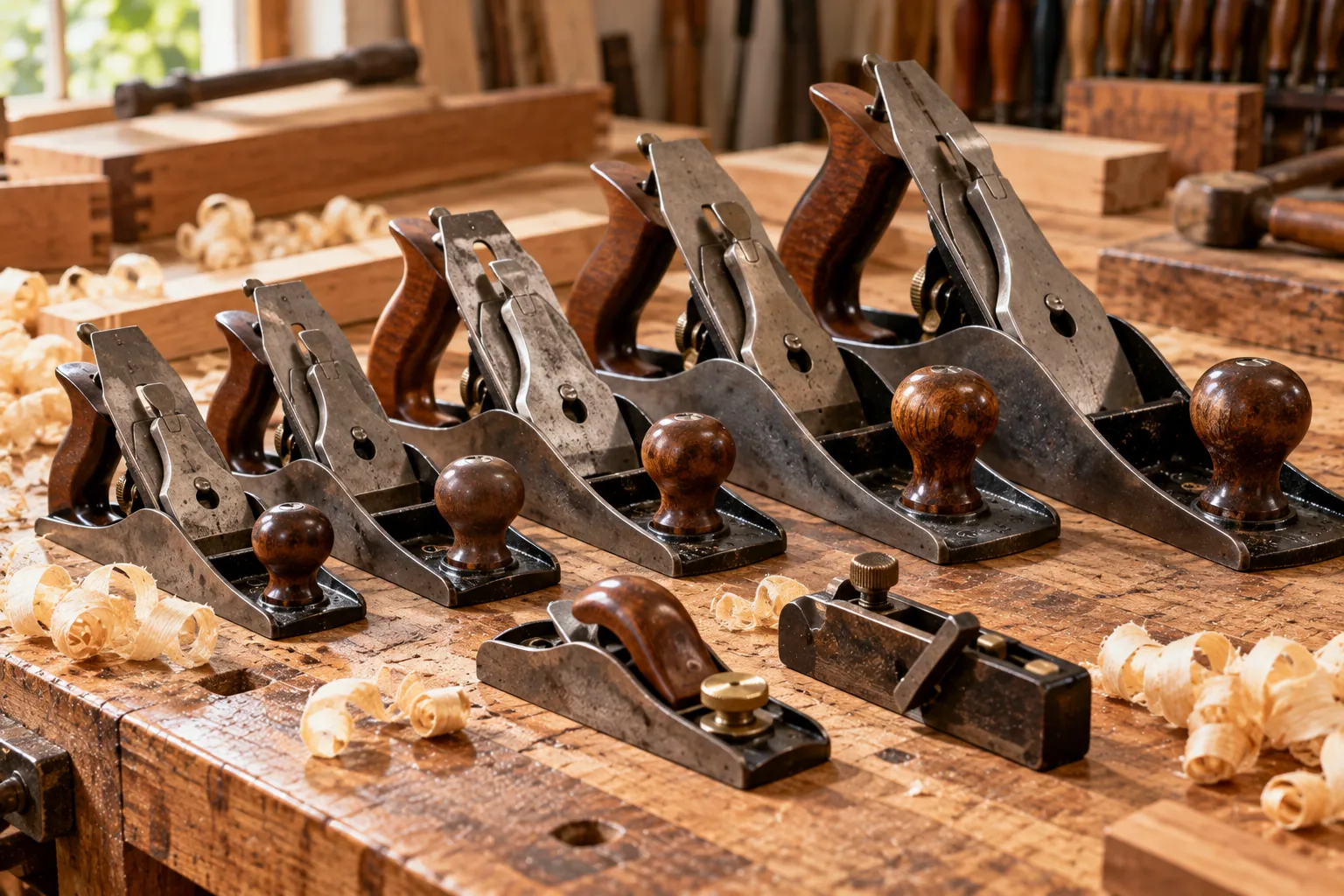
Hand tools · 3 min read
Types of hand planes and Stanley bench plane sizes
The types of hand planes explained: smoothing, jack, fore and jointer bench planes (Stanley No. 1 to No. 8 with lengths and widths), block planes, rabbet, plough, router, combination and scraper planes, and Bailey vs Bed Rock.
Read the article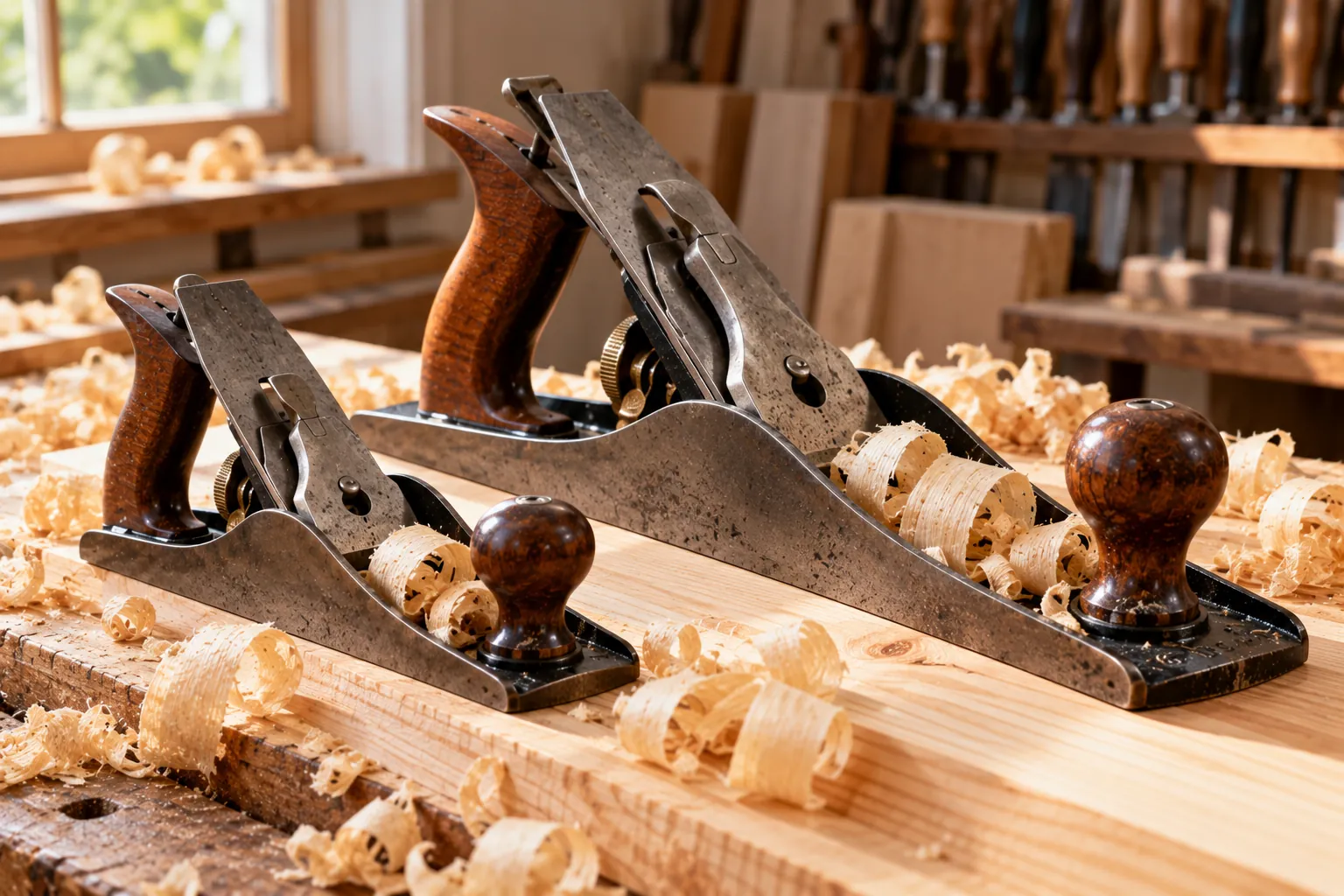
Hand tools · 3 min read
Stanley No. 4 vs No. 5 vs No. 5½
Stanley No. 4 smoothing plane vs No. 5 jack plane vs the wide No. 5½: lengths, widths, weights and what each does best, with what experienced woodworkers recommend as a first plane.
Read the article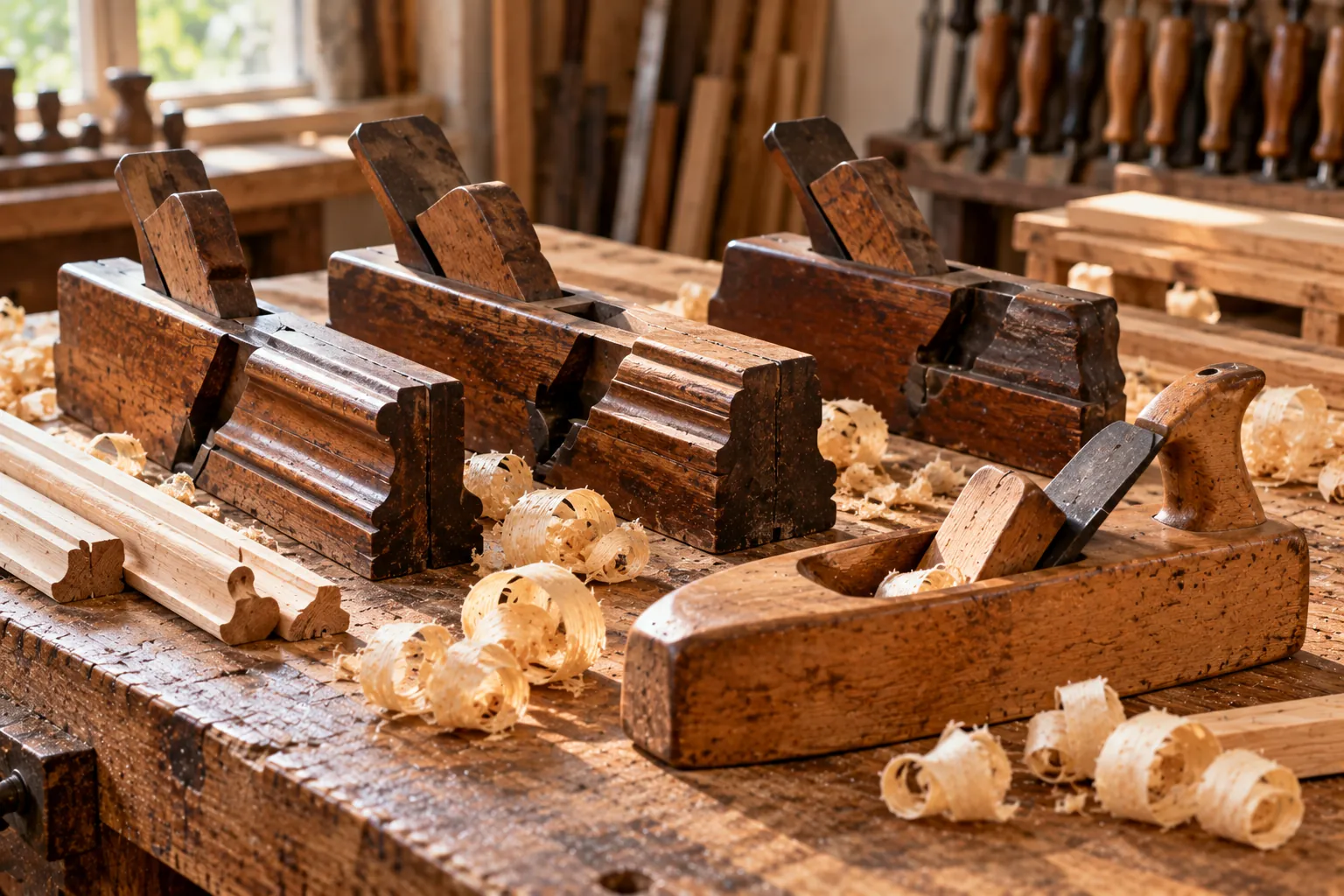
Hand tools · 3 min read
Antique wooden hand planes: identify, date and use
How to identify and date antique wooden planes (moulding planes, try planes, smoothers) from maker’s marks, length, wood and chamfers, what Stanley transitional planes are, and which wooden planes are valuable.
Read the article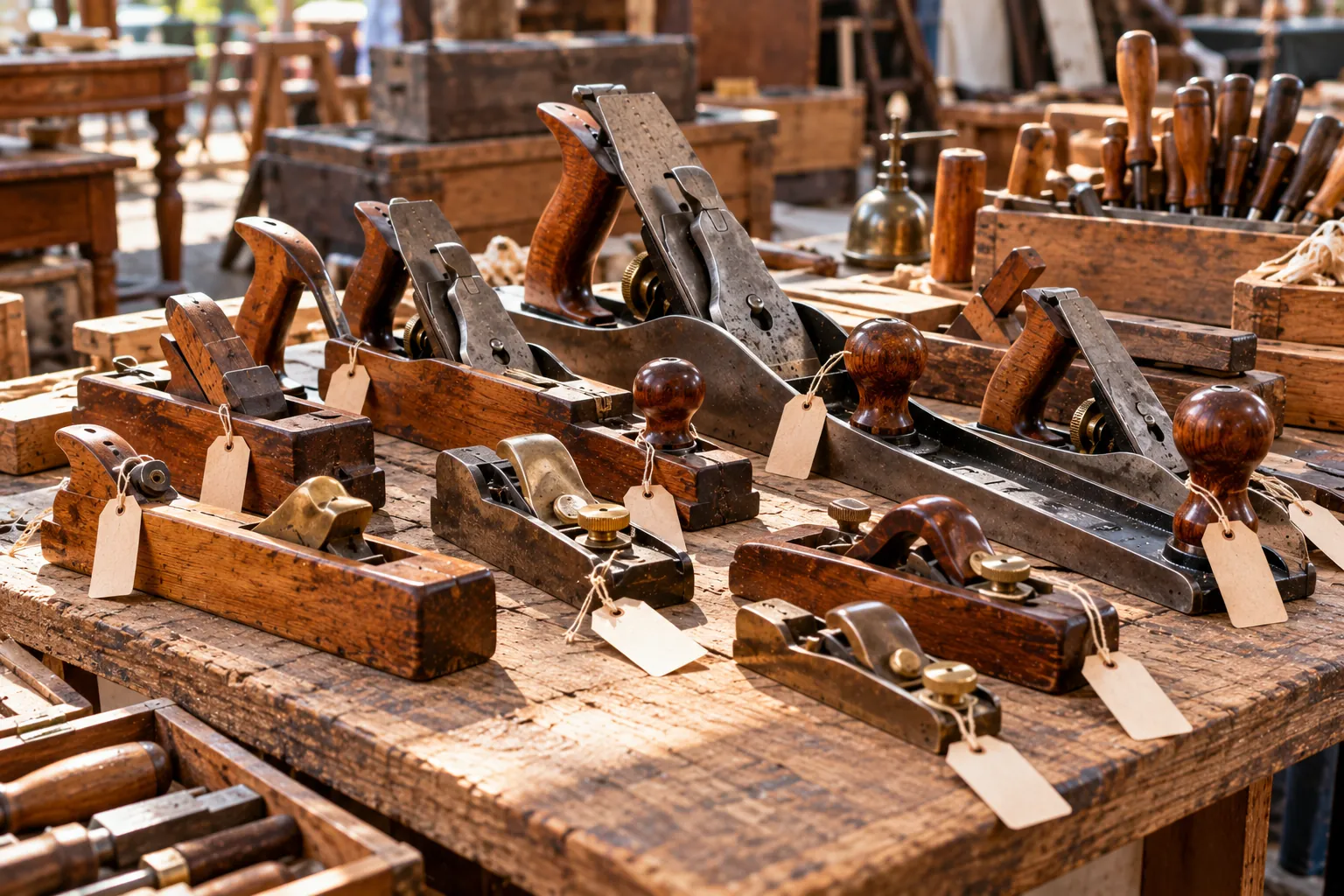
Hand tools · 3 min read
Stanley plane value: what makes an old plane worth money?
What your Stanley plane is worth depends on the model number, type (age), rarity, condition, japanning and original parts. Which Stanleys are rare (No. 1, No. 2, some Bed Rocks), and how to check sold prices.
Read the article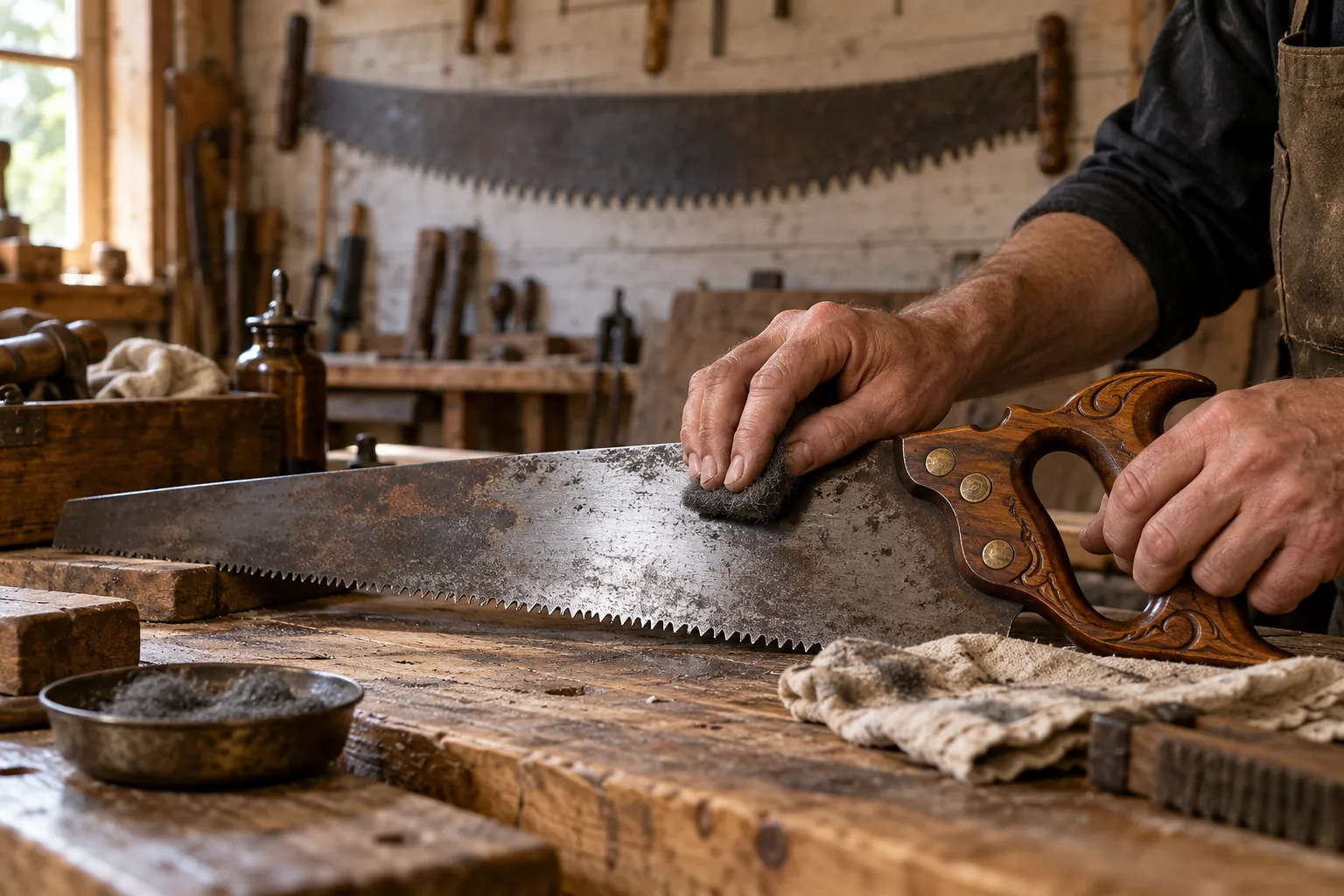
Hand tools · 3 min read
Disston saw value and restoration
How to tell what an old Disston hand saw is worth (medallion, model, handle, etch, condition), how to remove rust without losing the etch, refinish the handle and sharpen it, plus two-man crosscut saws.
Read the article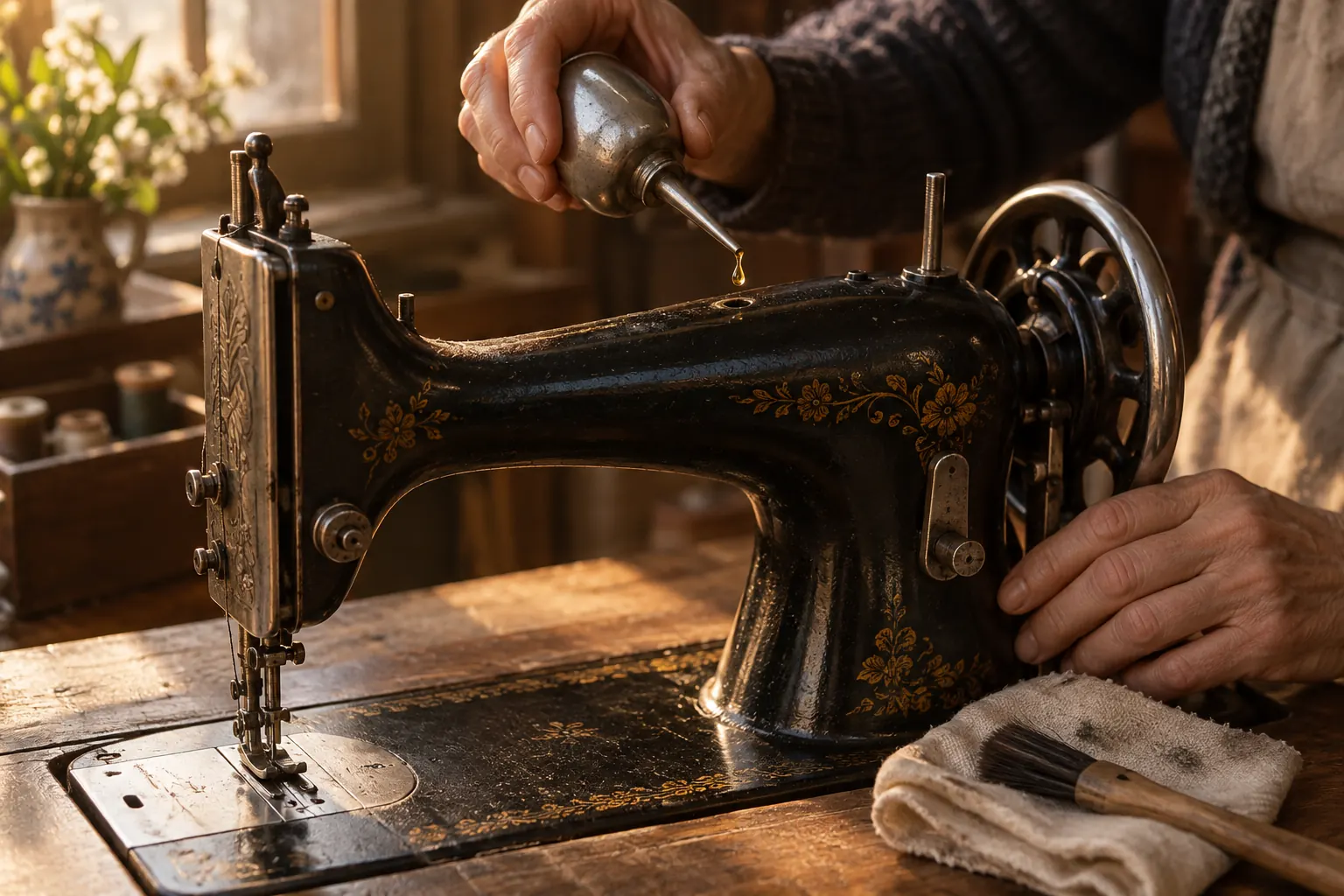
Care · 5 min read
How to clean and oil a vintage Singer without damaging it
A careful, step-by-step routine for cleaning and oiling an old Singer: the right oil, where it goes, why motors take grease, and the cleaners that ruin decals.
Read the article
Buying guide · 4 min read
Featherweight 221 vs 222K: how to tell them apart
The Singer 221 and the rarer Scottish 222K free-arm look almost identical. Here are the differences that matter: free arm, drop feed, serial prefixes, badges, cases and accessories.
Read the article
Buying guide · 5 min read
Singer 201 vs 15-91: two classic straight-stitchers compared
The Singer 201 and 15-91 are the two full-size straight-stitch Singers people argue about most. Compare their hooks, bobbins, motors, versions and what to check before you buy.
Read the article
Dating · 4 min read
Can’t find your Singer serial number? Eight reasons, and what to do
Can’t find the serial number on your Singer, or the number won’t match any chart? The common reasons: wrong place, the motor number, worn letters, two numbers, missing records, and how to fix each.
Read the articleBy topic
Browse by topic
Buying
Buying guide
Care
- Where to find a vintage Singer sewing machine manual
- What oil to use on a vintage Singer sewing machine
- Which needles fit a vintage Singer sewing machine?
- Vintage Singer presser feet and attachments
- Singer bobbin types: which bobbin fits your vintage Singer?
- How to wind and insert a bobbin on a vintage Singer
- How to thread a vintage Singer sewing machine
- How to adjust thread tension on a vintage Singer
- Singer sewing machine belts: treadle and motor belts
- Vintage Singer motors and foot pedals
- Vintage Singer sewing machine problems and how to fix them
- Vintage Singer sewing machine parts: a buyer’s guide
- Parts of a sewing machine and their functions
- How to use a vintage Singer sewing machine
- How to restore a vintage Singer sewing machine
- How to remove rust from metal, tools and antique machines
- How to clean and oil a vintage Singer without damaging it
Comparisons
Dating
Hand tools
History
Models
Have an old Singer in front of you?
Look up the serial number for the year and factory. It’s free and instant.