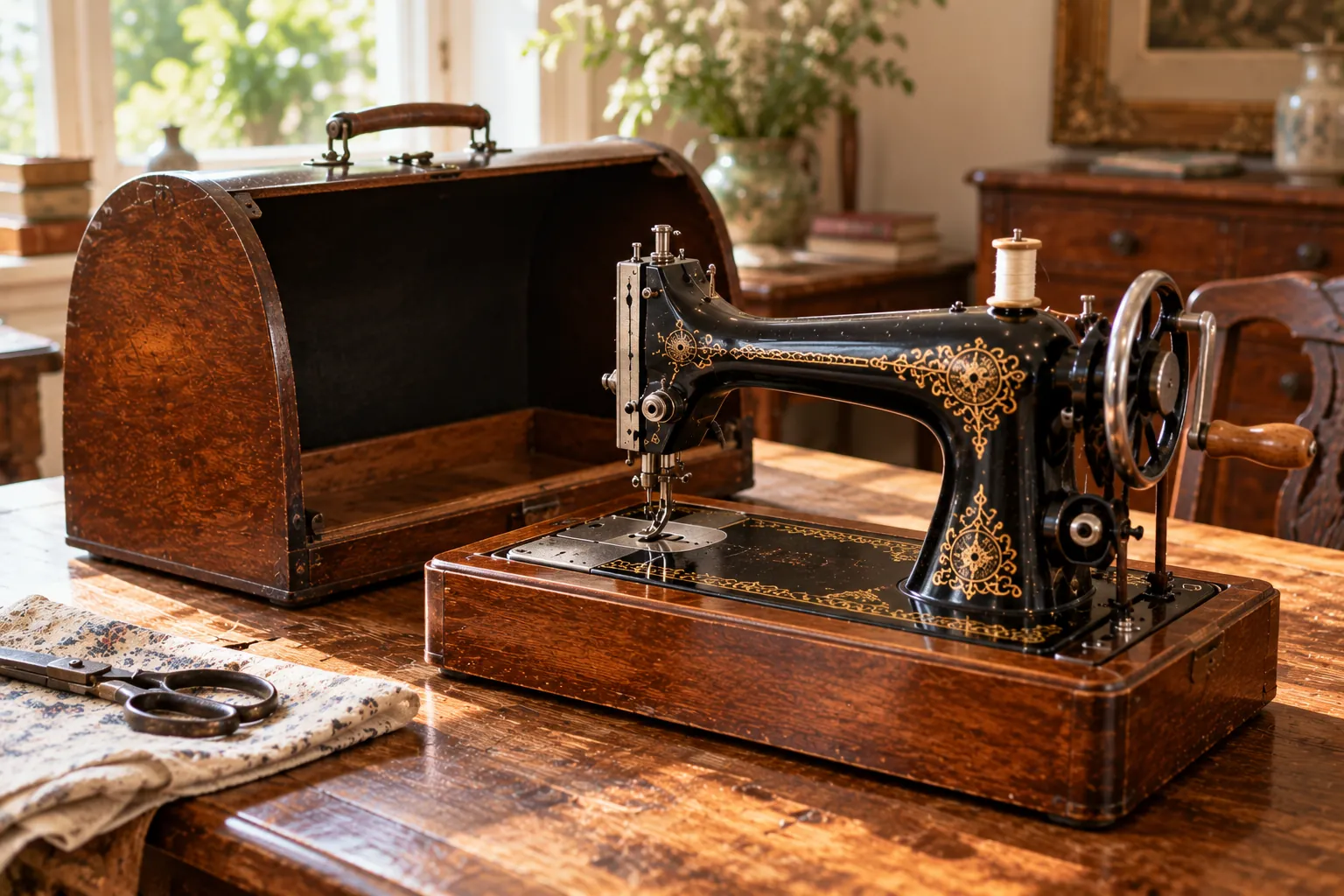
Key points
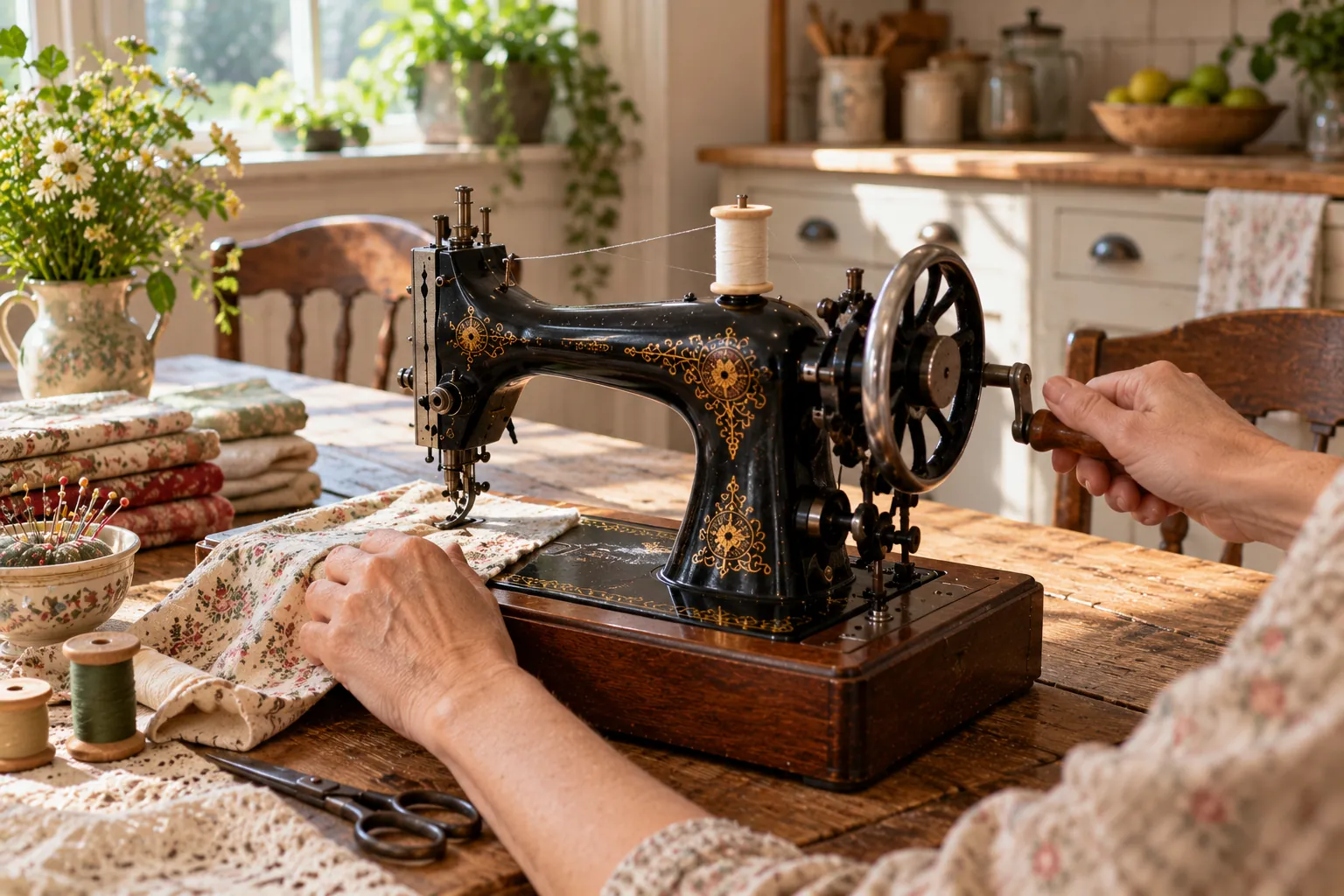
- Hand crank: one hand turns, one hand guides; slow and precise, good for travel.
- Treadle (pedal): both hands free; once standard for most machines.
- Singer’s 66-3 was a factory hand-crank 66; the first 99s were hand cranks.
- Cranks for spoked handwheels fit 15, 28, 128, 66, 99 and 127 class machines.
- Featherweight cranks are aftermarket; Singer never offered one.
TypesHand crank vs treadle vs electric
| Hand crank | Treadle (pedal) | Electric | |
|---|---|---|---|
| Power | Your hand | Your feet | Motor and foot control |
| Hands free | One | Both | Both |
| Speed | Slow, very controllable | Moderate | Fast |
| Portability | Good (machine in a case) | Poor (heavy cabinet) | Varies |
Wikipedia notes treadles were once used to power most machines and are still common where electricity is unavailable. For treadle details see our treadle sewing machine guide.
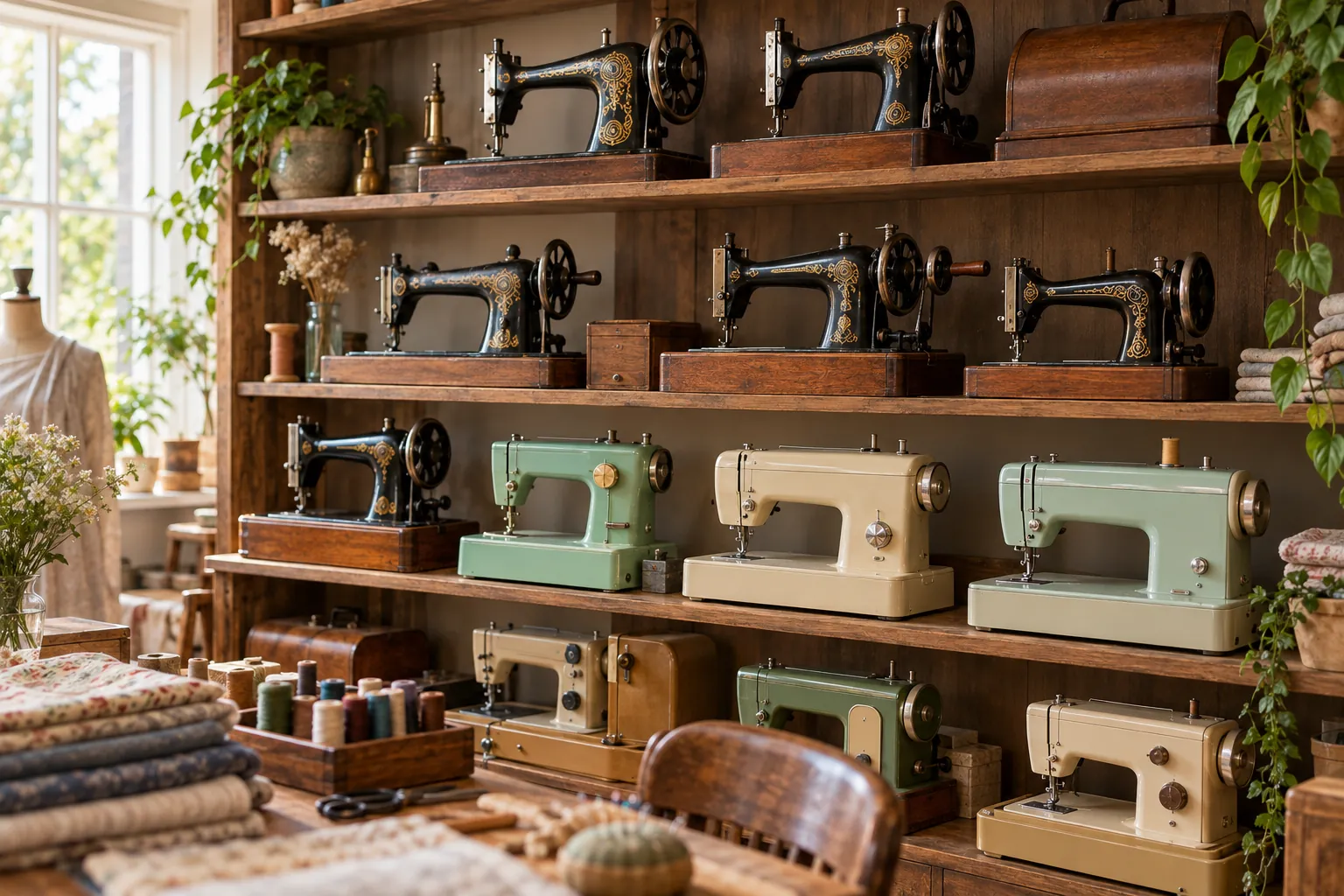
ModelsWhich vintage Singers were hand cranks?
ISMACS lists the 66-3 as a hand-crank version of the 66-1 treadle, and singersewinginfo says the first Model 99s produced were hand cranks, with electric motors offered from 1921. Long-shuttle 3/4 machines such as the 128 were also widely sold as hand cranks. A retailer’s modern crank for spoked handwheels is listed as fitting Singer classes 15, 28, 128, 66, 99 and 127.
ConvertingCan you convert a Singer to a hand crank?
Usually yes, if the machine has a spoked handwheel and the threaded boss for the crank (or a motor bracket to mount it on). The crank bolts on without permanent change. For the Featherweight, singer-featherweight.com stresses that a crank was never an original accessory; its version mounts on the motor bracket, uses a 3-to-1 drive and can be removed again.
Using oneTips for sewing with a hand crank
- Turn the crank so the handwheel moves towards you, never backwards, or the thread can jam.
- Guide the fabric lightly with your free hand; let the feed dogs do the work.
- Start and stop with the take-up lever at its highest point.
- Clamp a lightweight portable to the table.
QuestionsFrequently asked questions
What is a manual sewing machine?
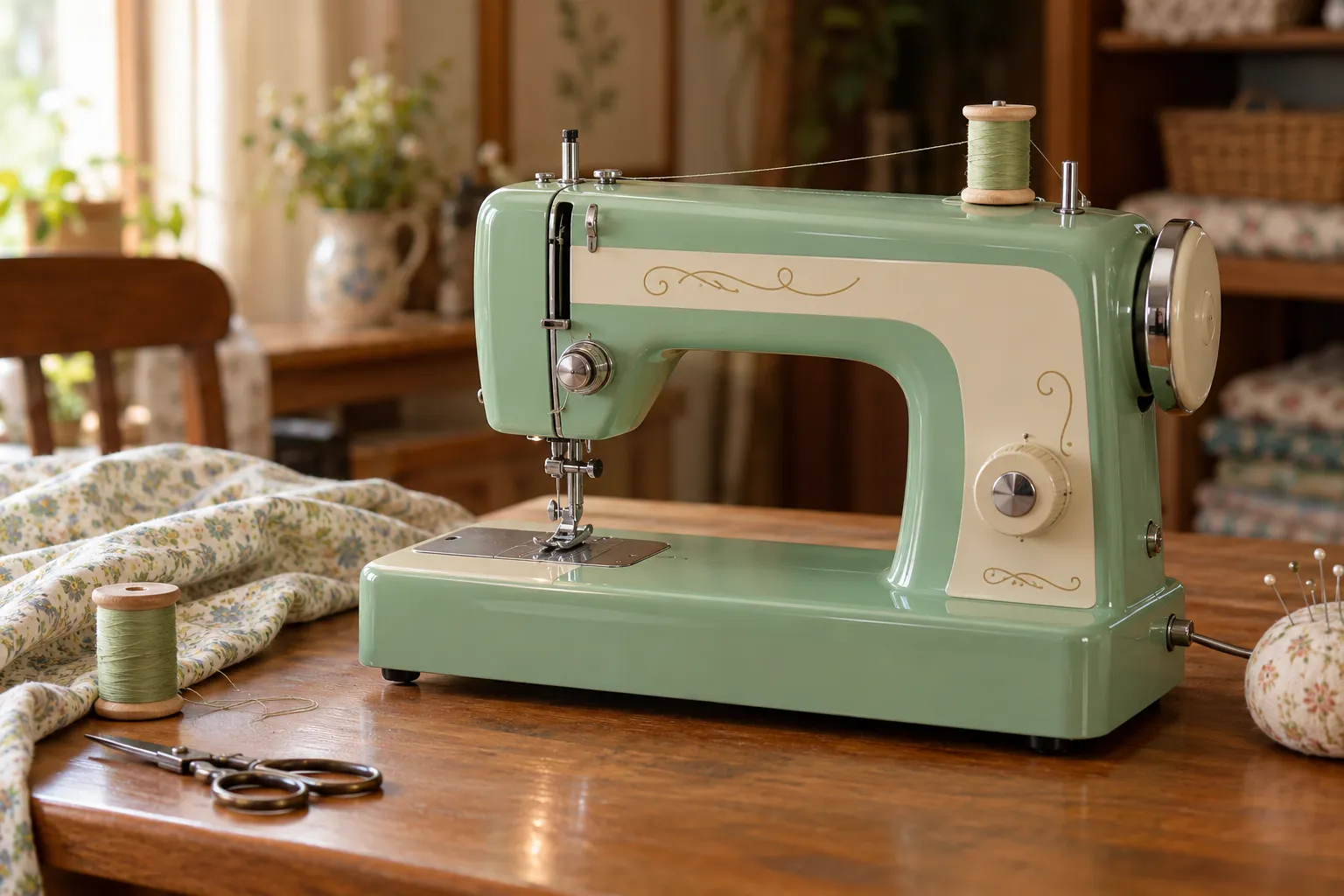
Usually a machine powered by hand crank or treadle rather than electricity, or a mechanical (non-computerised) electric machine.
Are hand-crank sewing machines any good?
Yes for straight seams, mending and travel or off-grid use. They are slower than electric machines and leave only one hand free.
Can I add a hand crank to my Singer 99K?
Yes. Cranks for spoked handwheels fit the 99 and other classes; early 99s were sold as hand cranks.
What is a pedal sewing machine?
A treadle machine: a foot plate rocks back and forth to turn a flywheel connected to the machine by a belt.
ReferencesSources
These are the pages and manuals the facts in this article come from. Where they disagree, we say so in the text.
- ismacs.net/singer_sewing_machine_company/singer-class-66-sewing-machine.html
- www.singersewinginfo.co.uk/99k
- www.vintagesingerparts.com/products/hand-crank-for-sewing-machines-with-spoke-hand-wheel
- singer-featherweight.com/blogs/schoolhouse/bona-fide-hand-crank-for-the-singer-featherweight
- en.wikipedia.org/wiki/Treadle
Published 24 October 2026 · Written and fact-checked by the HeirloomID editors. Spotted an error? Tell us.