Key points
- Common users (No. 4C, 5C): tens of dollars on average (Handplane Central).
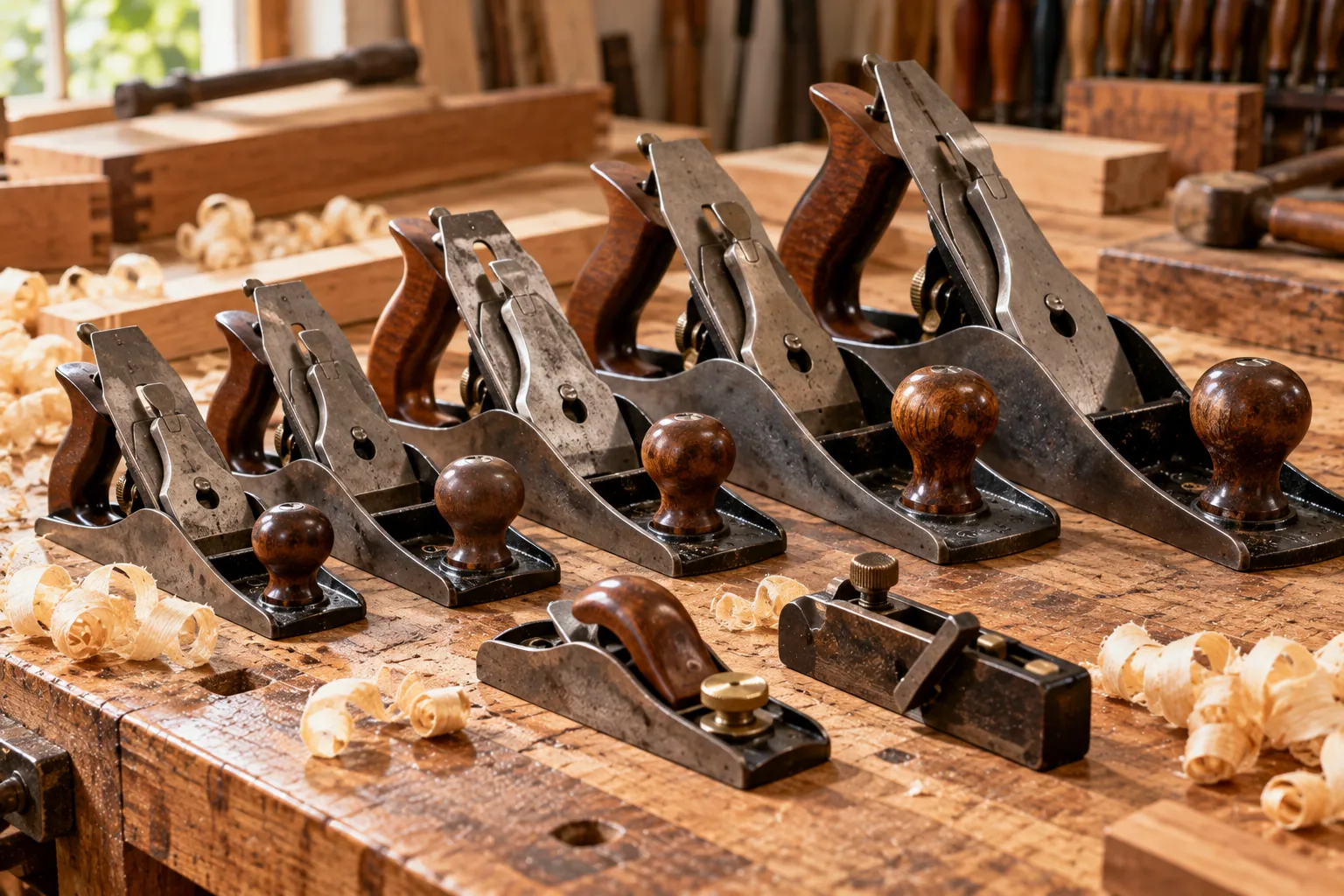
- The No. 1 is the most valuable Bailey bench plane; the No. 2 and 2C are scarce.
- Sweetheart-era planes (about 1920–1935) often bring more, but not always.
- Re-japanning, repairs and wrong-period parts reduce value.
- Check sold prices, not asking prices.
FactorsWhat sets a Stanley plane’s value
| Factor | Effect |
|---|---|
| Model number | Rare sizes such as the No. 1 and No. 2 are worth far more than a No. 4 |
| Type (age) | Early types and some periods are sought after; date it with the type study |
| Bed Rock | Generally more; scarce ones include the 602, 602C and 605¼ |
| Condition and japanning | High original japanning raises collector value |
| Originality | Replacement parts that don’t match the plane’s vintage lower value |
| Box and completeness | Boxed and complete sets (e.g. No. 55 with all cutters) bring more |
RarityWhich Stanley planes are rare?
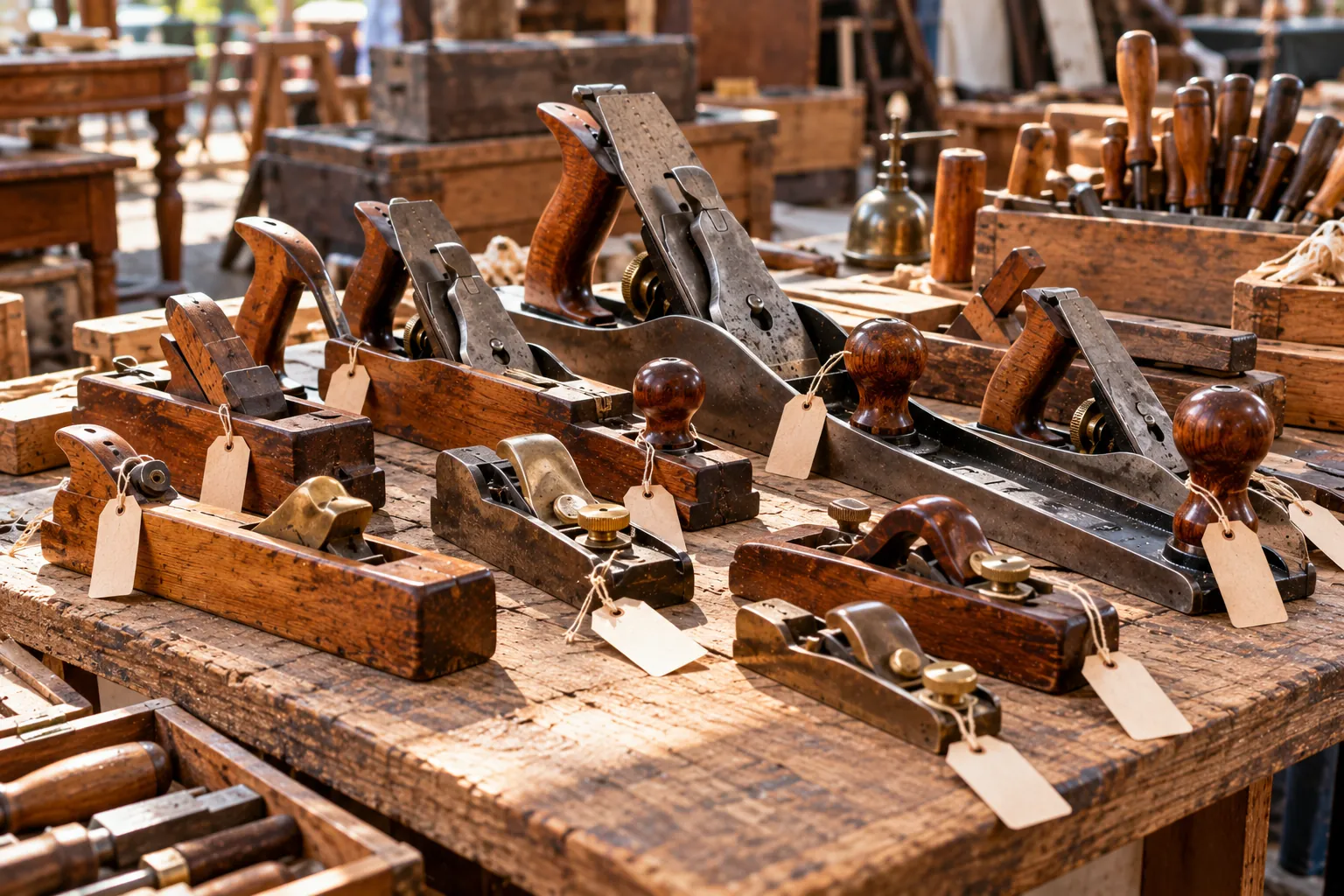
Patrick Leach calls the No. 1 the most valuable plane in the Bailey series, and notes the No. 2 is scarce and the No. 2C rarer still. Among Bed Rocks, he names the 602, 602C and 605¼ as scarce, while suggesting some Bed Rock premiums are partly hype. One dealer listed a Type 15 Bed Rock 605 with 98% japanning at $795.
PeriodsSweetheart and wartime planes
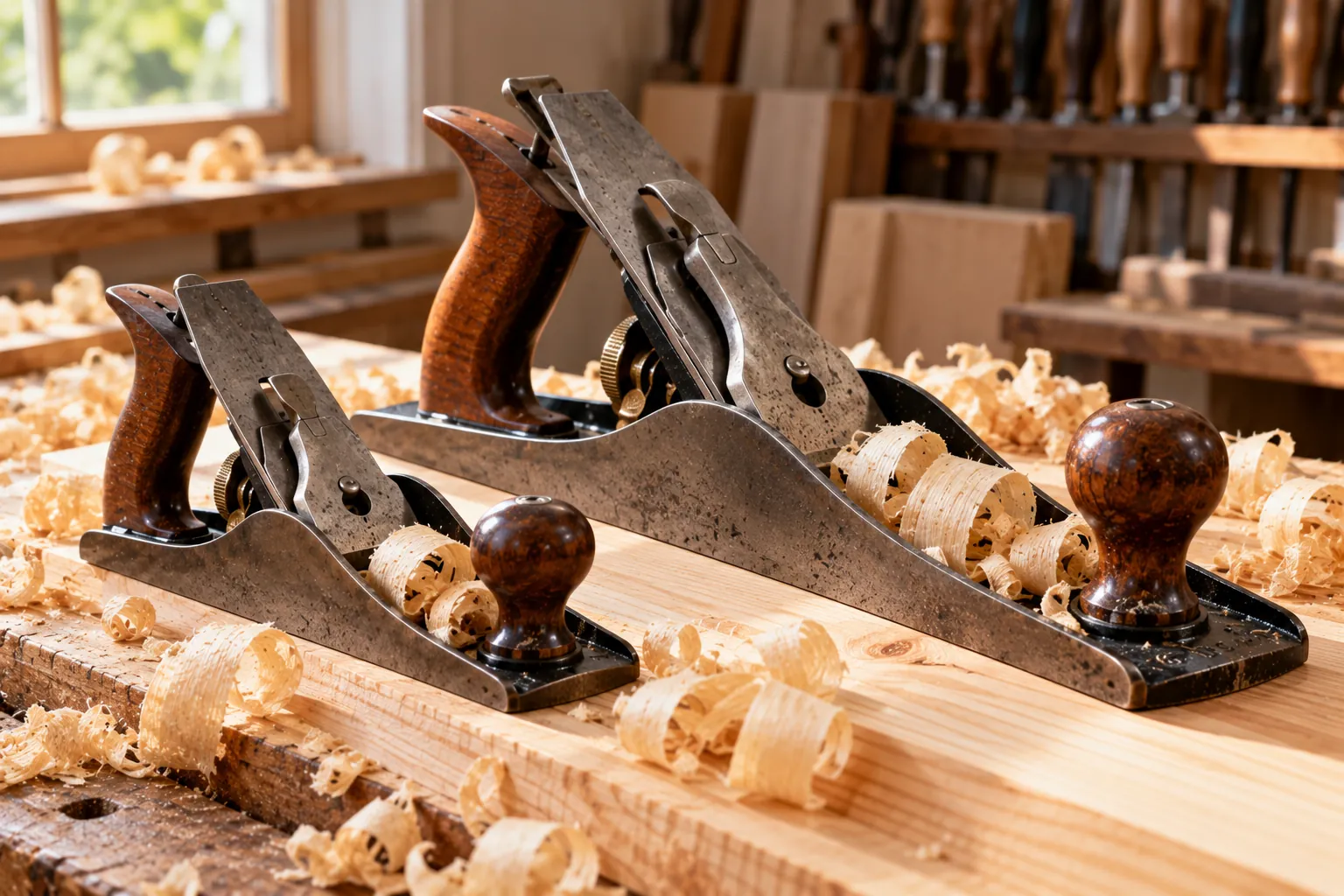
The hyperkitten type study dates the “Sweetheart” heart-shaped SW logo to the Type 12 era, with logo variants from about 1920 to 1935; Handplane Central says Sweetheart versions often reach higher prices, but not always. The Type 17 wartime planes (1942–45) are recognisable by hardwood handles stained red or painted black, steel or hard-rubber depth wheels and little nickel plating, and are generally valued as users.
Common planesWhat a common Stanley is worth
Handplane Central’s average prices for a No. 4C and No. 5C run from roughly $15–75 depending on venue. Paul Sellers tracked UK prices for the No. 4 rising from under £5 around 2010 to £20–35 by 2015. Check current sold listings for your number and type. Before restoring, remember a Fine Woodworking forum view that in most cases cleaning or restoring lowers a collectable’s value; a user plane is different (restoration guide).
QuestionsFrequently asked questions
How much is a Stanley No. 4 plane worth?
Usually tens of dollars as a user; early types and excellent original condition bring more.
Which Stanley planes are the most valuable?
The No. 1, the No. 2 and 2C, scarce Bed Rocks, early types and complete boxed specialty planes.
Does cleaning a Stanley plane reduce its value?
For collectable planes, aggressive cleaning or re-japanning usually does. Gentle cleaning of a user plane is fine.
How do I date my Stanley plane?
Use the type study: features such as the frog, lateral lever, logo and knob change by period.
ReferencesSources
These are the pages and manuals the facts in this article come from. Where they disagree, we say so in the text.
- supertool.com/StanleyBG/stan1.htm
- supertool.com/StanleyBG/stan15.htm
- supertool.com/StanleyBG/stan0a.html
- supertool.com/StanleyBG/stan8.htm
- www.hyperkitten.com/tools/stanley_bench_plane/type_study.php
- www.handplane.com/82/stanley-no-4-c-smooth-plane
- www.handplane.com/85/stanley-no-5-c-plane
- paulsellers.com/2015/07/stanley-4-smoothing-plane-prices-continue-to-rise
- finewoodworking.com/forum/value-of-stanley-planes
- www.jimbodetools.com/collections/jim-bodes-value-guide-to-antique-tools/products/extremely-rare-stanley-no-605-1-2-bedrock-junior-jack-plane-121530-as-of-aug-12
Published 24 October 2026 · Written and fact-checked by the HeirloomID editors. Spotted an error? Tell us.