Key points
- Vinegar: 12 hours to 3 days for heavy rust; check often.
- Citric acid: about a tablespoon in warm water; a few hours.
- Neutralise with baking soda, dry fast and oil, or flash rust returns.
- Electrolysis works well on bare iron; use a steel (not stainless) anode and ventilate.
- Antiques: no soaking of painted, plated or decal surfaces; 0000 steel wool with oil.
ChooseWhich rust removal method?
| Method | Best for | Time | Caution |
|---|---|---|---|
| 0000 steel wool + light oil | Light surface rust, antiques | Minutes | Gentlest; conservators’ first choice |
| Fine/very fine abrasive pad | Machined surfaces | Minutes | Avoid coarse grades |
| Baking soda paste | Small, light spots | Hours | Mild |
| White vinegar soak | Bare steel tools, heavy rust | 12 h – 3 days | Strips plating and finishes; neutralise |
| Citric acid | Bare steel, plane bodies | A few hours | Don’t leave for days |
| Chelating rust remover | Parts that can be fully submerged | 30 min – overnight | Must be submerged; check paint |
| Electrolysis | Heavy rust on bare iron | Hours – a day or more | Hydrogen gas; mains charger |
VinegarHow to remove rust with vinegar (and baking soda)
Fine Woodworking’s method for rusty tools: add a cup of salt per gallon of white vinegar, submerge the parts and leave at least 12 hours; one to three days usually has the rust falling off. Rinse, then put the parts in a baking soda bath (about a cup per gallon) for around 10 minutes to neutralise the acid. Wipe with denatured alcohol to drive off moisture, polish with 0000 steel wool and apply a light coat of oil. The mixture eats aluminium quickly, so keep aluminium parts out.
Vinegar and acid soaks remove plating, bluing and paint as well as rust, so use them only on bare steel and iron. On saws, one restorer strongly advises against acids because they can darken the plate and remove the etch.
Citric acidCitric acid: faster and cleaner
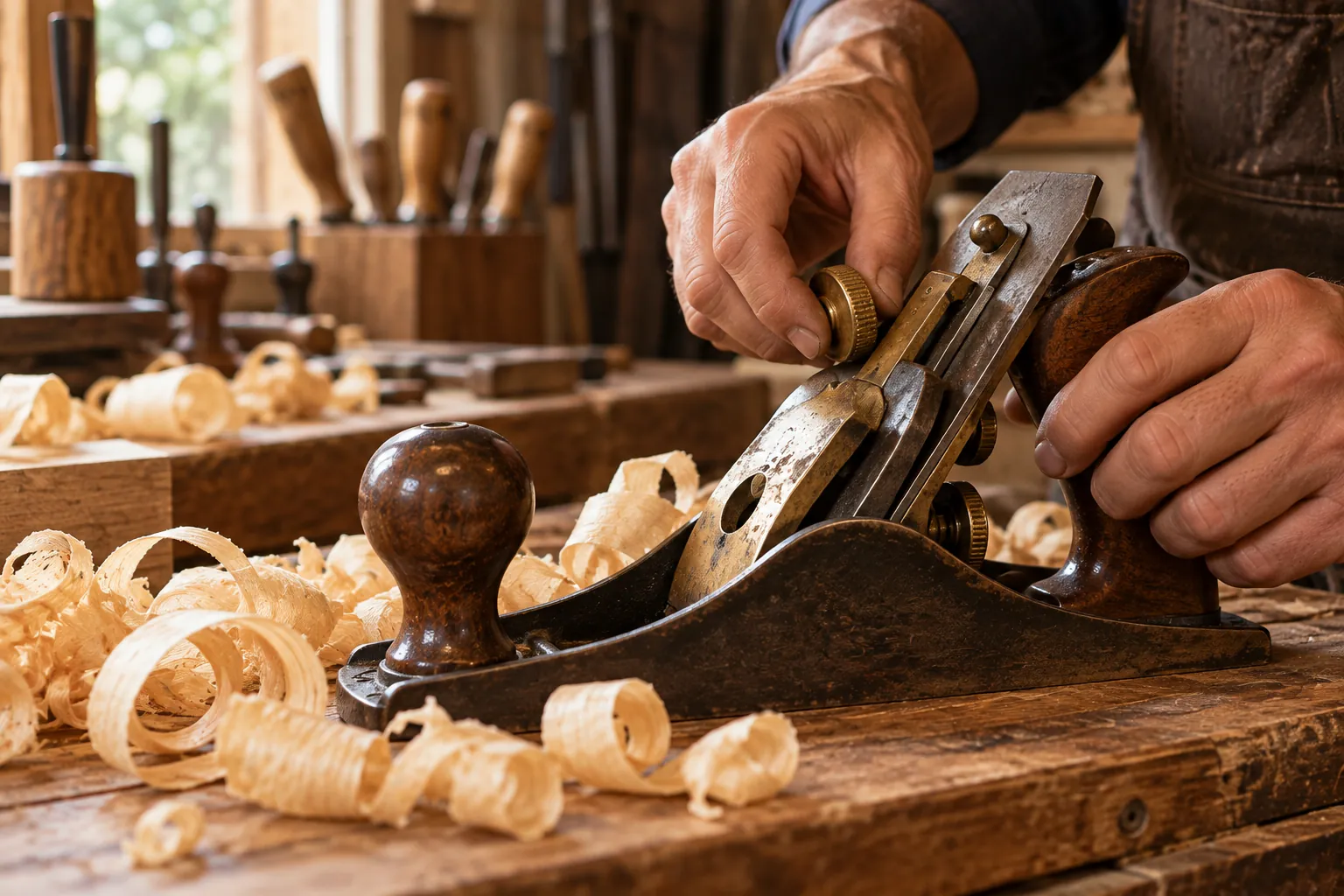
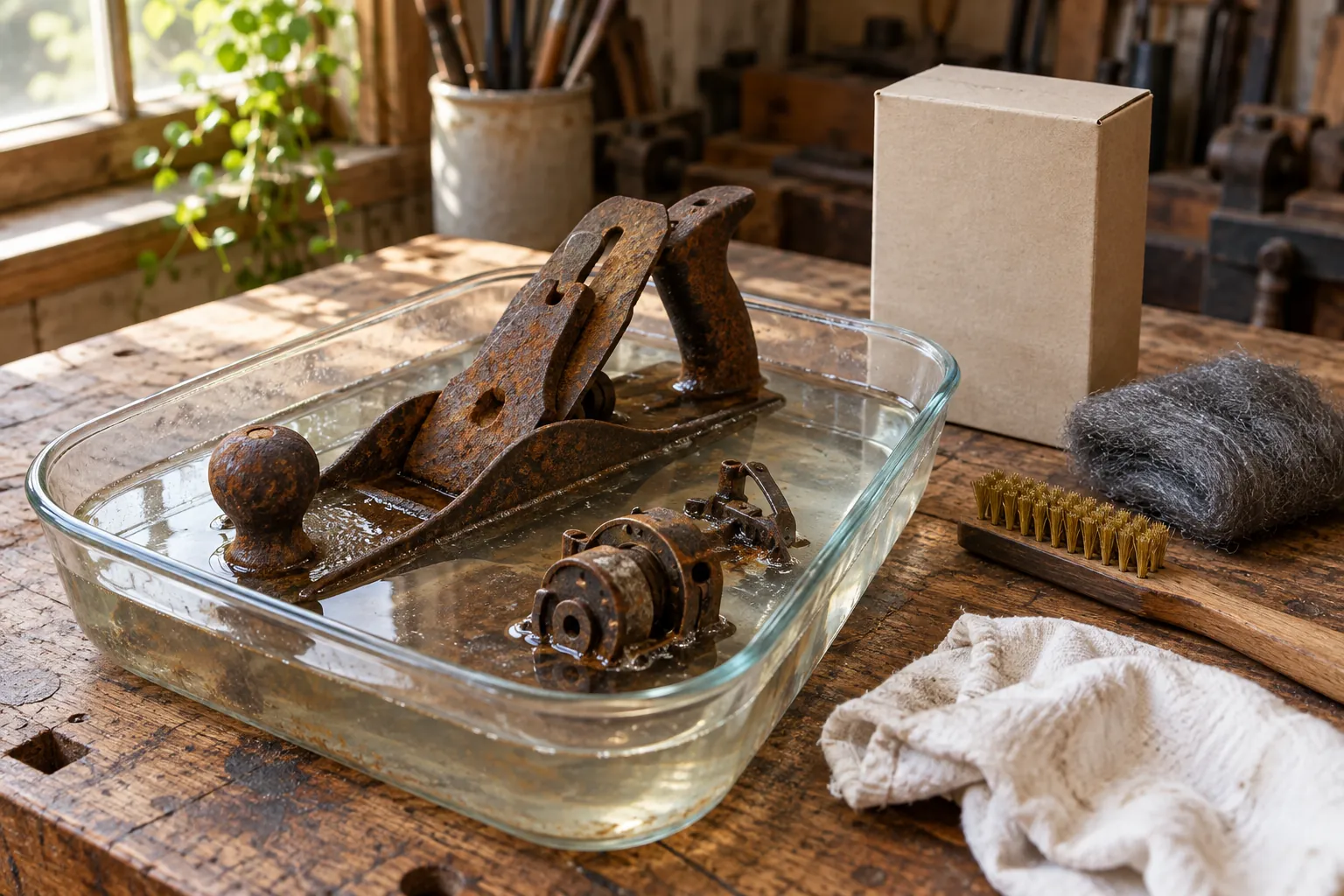
Popular Woodworking dissolved a tablespoon of citric acid in warm water and left a plane’s parts for a handful of hours; bubbles appear after about fifteen minutes. The author warns weeks of soaking could eat the tool itself, and reports the japanning on the plane bed was unaffected. Scrub, rinse in hot water, dry and oil.
ElectrolysisElectrolytic rust removal
Popular Woodworking’s setup: one tablespoon of washing soda per gallon of water, the rusty tool connected to the negative lead of a battery charger and a piece of scrap iron to the positive. The lowest setting is enough; a plane iron took a day and a half. Unplug before putting your hands in the water. Wikipedia notes the gas given off is flammable and explosive, so work outdoors or with good ventilation. Use plain steel as the sacrificial anode; hobby guides warn stainless steel can release toxic chromium compounds.
AntiquesRemoving rust from antique sewing machines and painted tools
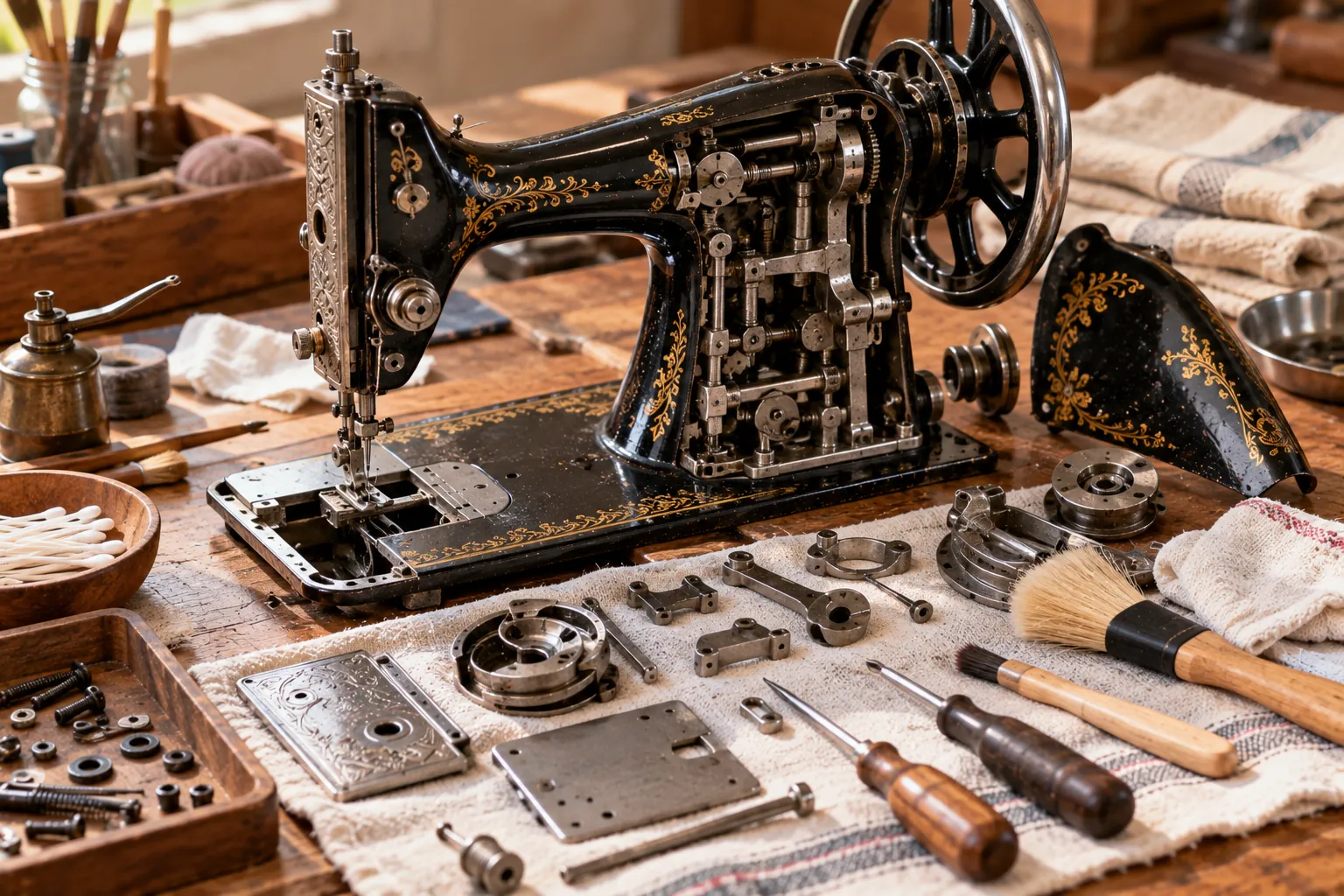
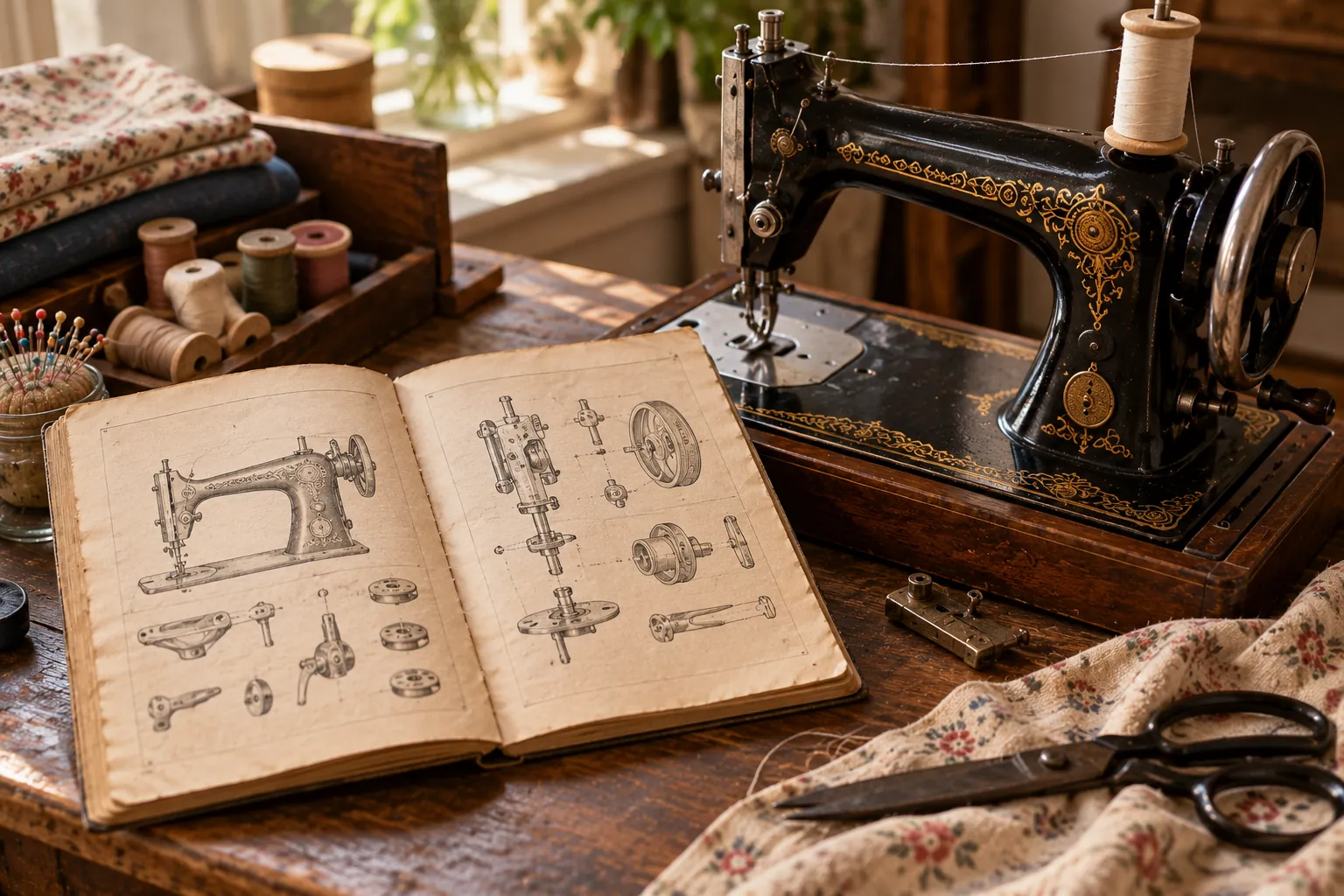
The Canadian Conservation Institute’s advice for historic iron is gentle: for thin, even rust, rub with fine steel wool (000 or 0000) and a few drops of light oil, wipe clean and re-oil. It recommends avoiding commercial liquid rust strippers, which can strip areas to bare metal, and says sandblasting, wire brushes and emery are too aggressive. Painted, plated and decal surfaces should not be removed, because they carry the object’s history. On a sewing machine that means treating rust spot by spot, never soaking the head. See restoring a vintage Singer and restoring a hand plane.
AfterStop the rust coming back
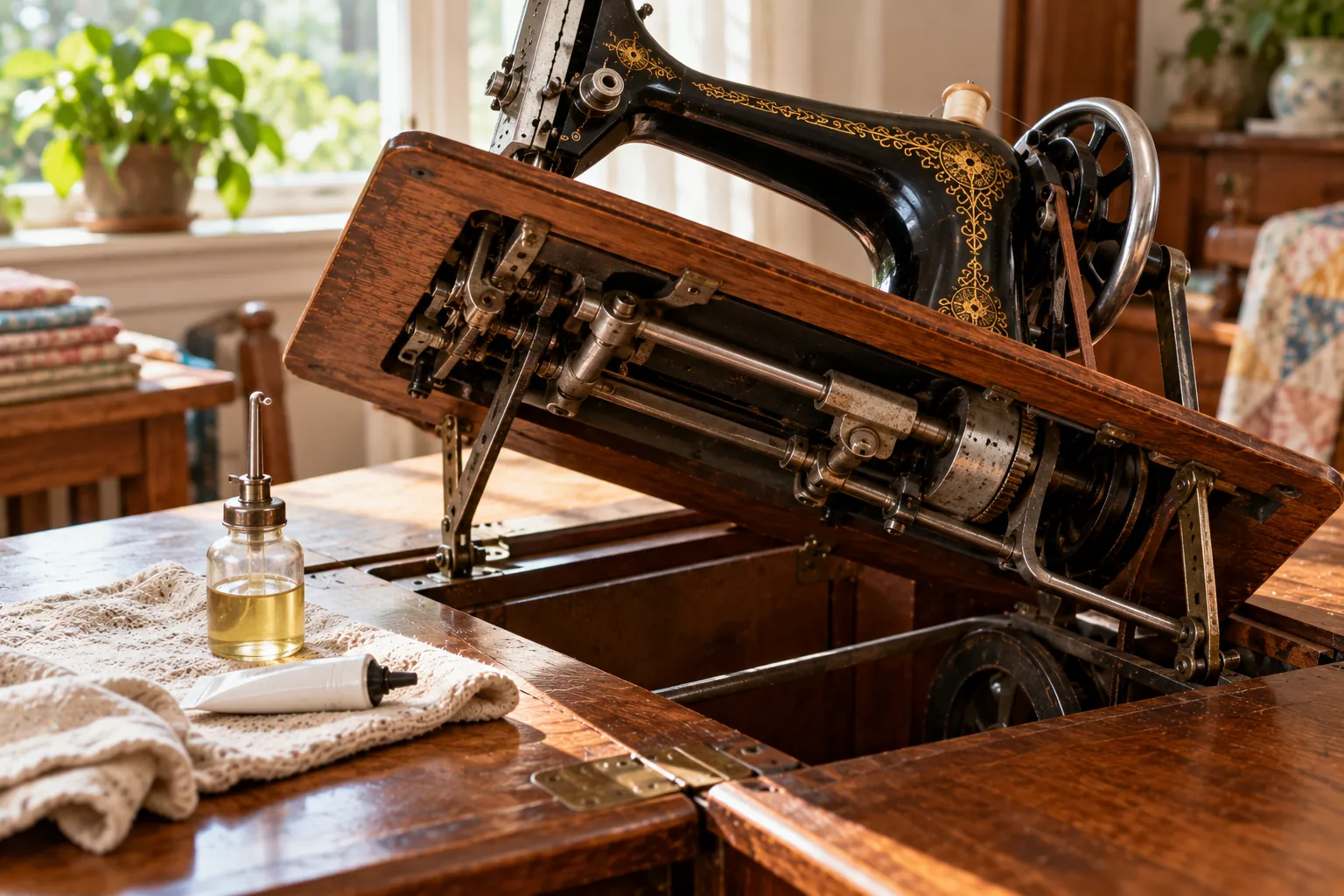
Freshly cleaned steel rusts again within hours if it’s left wet. Dry immediately, then oil or wax it. CCI notes too much oil attracts dust and too little won’t protect; wax works well on clean bare steel but not over heavy corrosion. Store tools and machines in a dry place, and wipe them after handling.
QuestionsFrequently asked questions
What is the fastest way to remove rust from metal?
For bare steel, a citric acid or vinegar soak with a scrub, or a chelating remover; light rust comes off in minutes with 0000 steel wool and oil.
Does vinegar remove rust?
Yes. Acetic acid dissolves rust on bare iron and steel in 12 hours to a few days. Neutralise and oil afterwards.
Does baking soda remove rust?
A baking soda paste helps with light spots; it is mainly used to neutralise acid after a vinegar soak.
How do I remove rust without damaging paint?
Don’t soak. Work only on the rusty spot with fine steel wool or a fine pad and a little oil.
Can I use vinegar on an antique sewing machine?
Not on the painted or decorated head. Use it only on bare steel parts that have been removed, if at all.
ReferencesSources
These are the pages and manuals the facts in this article come from. Where they disagree, we say so in the text.
- www.canada.ca/en/conservation-institute/services/conservation-preservation-publications/canadian-conservation-institute-notes/care-iron.html
- www.canada.ca/en/conservation-institute/services/conservation-preservation-publications/canadian-conservation-institute-notes/mechanical-removal-rust-machined-ferrous-surface.html
- www.finewoodworking.com/project-guides/handplanes/salt-and-vinegar-natures-rust-remover
- www.popularwoodworking.com/editors-blog/remove-too-rust-with-citric-acid
- popularwoodworking.com/editors-blog/clean-rusty-tools-by-electrolysis
- en.wikipedia.org/wiki/Rust
- cameo.mfa.org/wiki/Evapo-Rust
- www.thisoldhouse.com/tools/how-to-remove-rust-from-tools
- ismacs.net/sewing_machine_articles/the_care_of_sewing_machines.html
- growitbuildit.com/restoring-saw-remove-rust
- www.metaldetectingworld.com/anode_positive_electrode_p9.shtml
Published 24 October 2026 · Written and fact-checked by the HeirloomID editors. Spotted an error? Tell us.